Even in 2026, when online matchmaking and cloud streaming dominate the gaming landscape, there’s something irreplaceable about gathering around a single screen with a friend for a split-screen session. While many modern blockbusters have given local co-op the cold shoulder, a select group of pioneering titles flipped the script entirely. They didn’t just chop the screen in two—they woven split-screen mechanics into the very fabric of their design, using it to deepen storytelling, spark lateral thinking, and brew up chaos that’s best served side by side. These games are proof that sharing a couch still hits different, and their innovations have aged like fine wine.
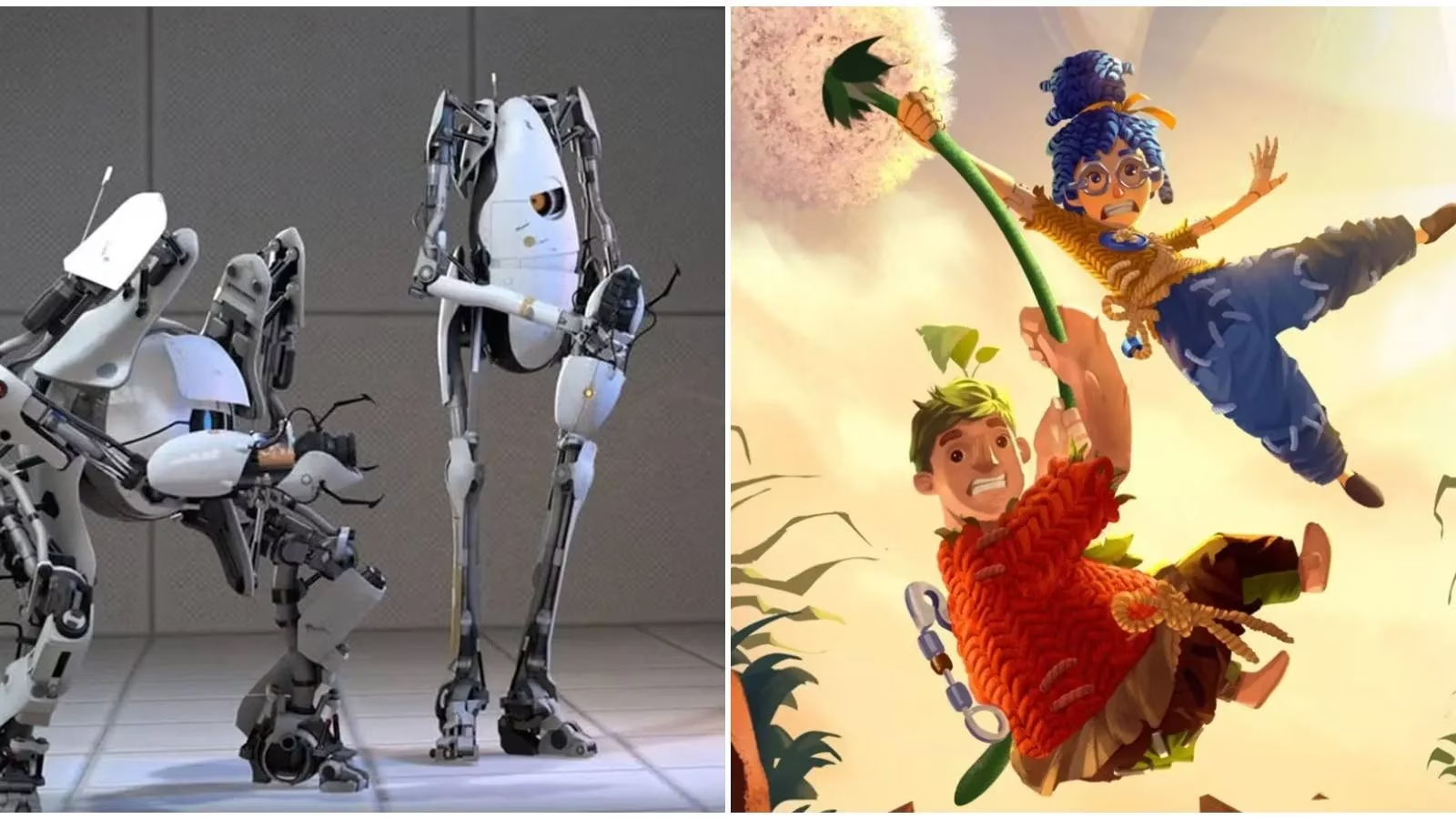
Portal 2 (2011)
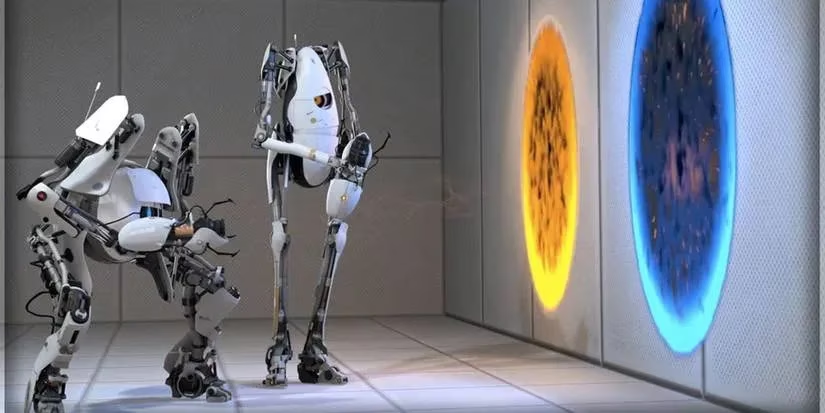
Valve’s Portal 2 is the gift that keeps on giving, and even fifteen years later, its co-op campaign is still the gold standard for brain-teasing fun. The game hands two players a portal gun each and drops them into a decaying Aperture Science facility, then dares them to think way outside the box. The split-screen setup isn’t just a visual convenience—it’s a necessity, because both players need to witness each other’s perspective to solve physics-defying puzzles. The result is a symphony of “aha!” moments where lateral thinking and perfect timing are the only tickets out. If you’re hunting for a game that turns your living room into a think tank, Portal 2 is the absolute bees knees.
A Way Out (2018)
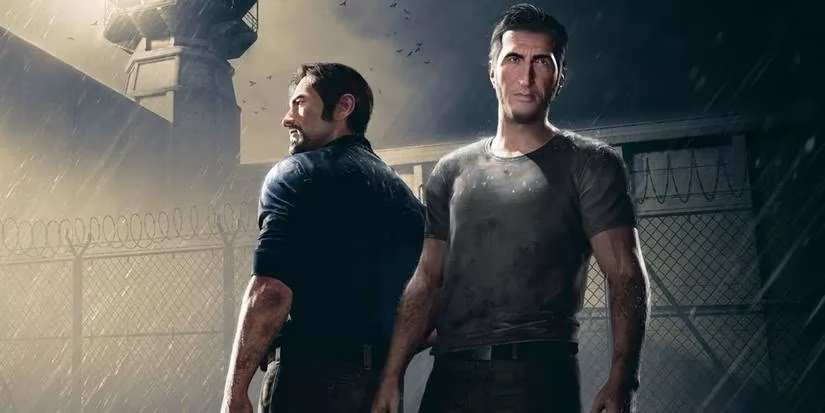
Hazelight Studios knocked it out of the park with A Way Out, a narrative-driven action-adventure that tells its entire story through mandatory split-screen. Two players take on the roles of Leo and Vincent, convicts plotting a high-stakes prison break. The split-screen isn’t a gimmick—it’s the core storytelling device, allowing each player to experience simultaneous events, share cutscenes, and engage in cooperative actions that feel like a buddy movie come alive. Even in 2026, few titles dare to present a cinematic experience where both partners have equal narrative agency on the same screen. A Way Out remains a masterclass in using co-op to amplify drama and tension.
It Takes Two (2021)
From the same studio, It Takes Two takes the idea of couple’s therapy and turns it into a whimsical, genre-bending platformer. The split-screen perspective follows Cody and May, a married duo magically turned into dolls, as they navigate a world that blends everyday objects with larger-than-life challenges. The visual style feels like a Pixar flick you can play, but don’t be fooled—the co-op coordination required is the real deal. Boss fights, puzzles, and even simple traversal demand tight teamwork, making it a phenomenal date-night pick. By 2026, It Takes Two still stands as a shining example of how split-screen can elevate emotional storytelling while keeping you on your toes.
Divinity: Original Sin 2 (2017)
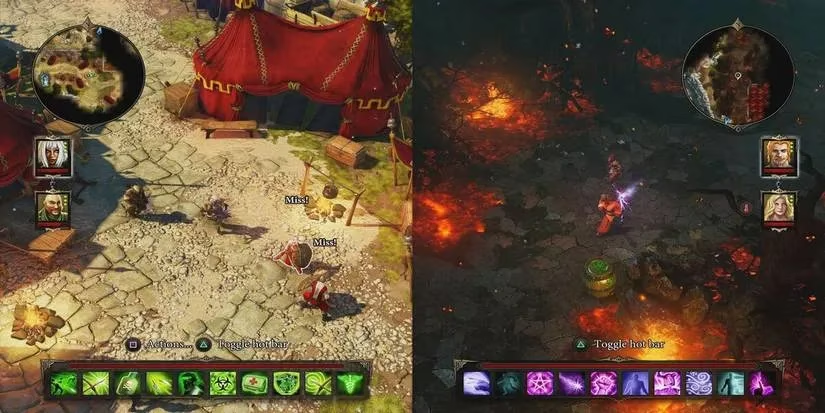
For those who crave epic fantasy without the fuss of a dungeon master, Divinity: Original Sin 2 is a slam dunk. This turn-based RPG lets two players share a single screen, each controlling their own hero on a quest to ascend to divinity. The split-screen is seamless—both players can wander off independently, debate dialogue choices, or cook up ridiculously clever combat strategies together. The sheer flexibility turns every encounter into a sandbox of possibilities, from teleporting enemies into lava to out-of-combat shenanigans. A decade after its release, this game still hustles as the co-op RPG that others measure themselves against.
Rocket League (2015)
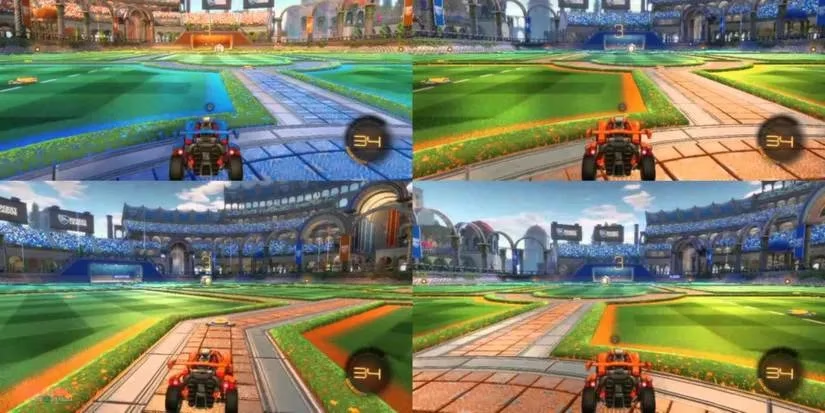
Soccer with rocket-powered cars sounds like a fever dream, but Rocket League made it a global phenomenon. What makes its split-screen mode so special is the immediate, intimate view every driver gets of the field—crucial when you’re flipping, boosting, and demoing opponents at supersonic speed. The learning curve can be steep, but the chaos is so entertaining that even beginners get the giggles. Invite two extra friends and you’ve got a 4-player 2v2 split-screen bash that’s pure adrenaline. A full decade on, Rocket League continues to be the life of the party, proof that innovative sports gaming doesn’t need a fullscreen list of features.
Left 4 Dead 2 (2009)
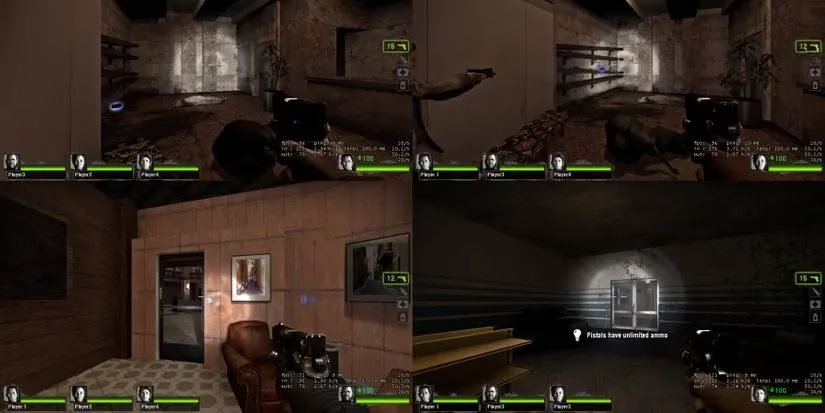
Still a zombie-slaying juggernaut in 2026, Left 4 Dead 2 defined the co-op survival shooter. Split-screen turns the horror dial up to eleven as two players mow through hordes of undead toward safe rooms. But the real ace is the Versus mode, where one team controls survivors and the other commands special infected—all on the same couch. This cat-and-mouse dynamic, witnessed side by side, creates a screamer of a session filled with tension, trash talk, and last-second heroics. While many have tried to clone the formula, none have matched the raw, split-screen energy of this classic.
Don’t Starve Together (2016)
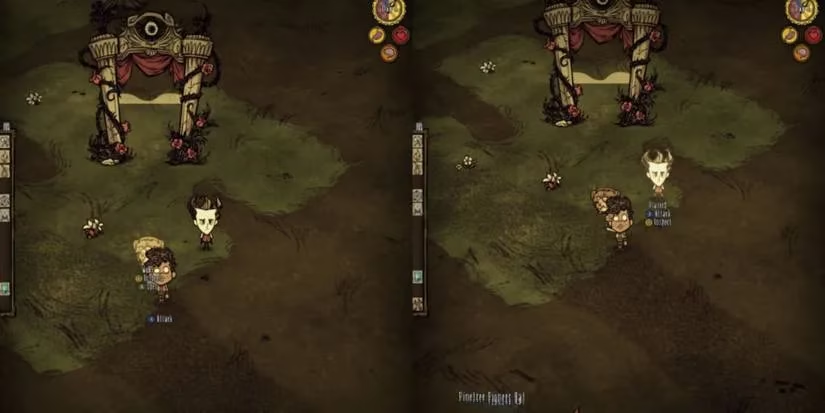
Klei’s Don’t Starve Together takes the unforgiving, Tim Burton-esque survival world and makes it a shared struggle. With split-screen, two minds are definitely better than one: one player can focus on base building and farming while the other scouts for food and fights off nightmare creatures at dusk. The constant communication needed to coordinate inventory and survival priorities turns a punishing single-player ordeal into a laugh-out-loud buddy adventure. The quirky art style and endless updates have kept it fresh, and in 2026, it’s still the go-to for gamers who enjoy being beautifully miserable together.
Screencheat (2014)
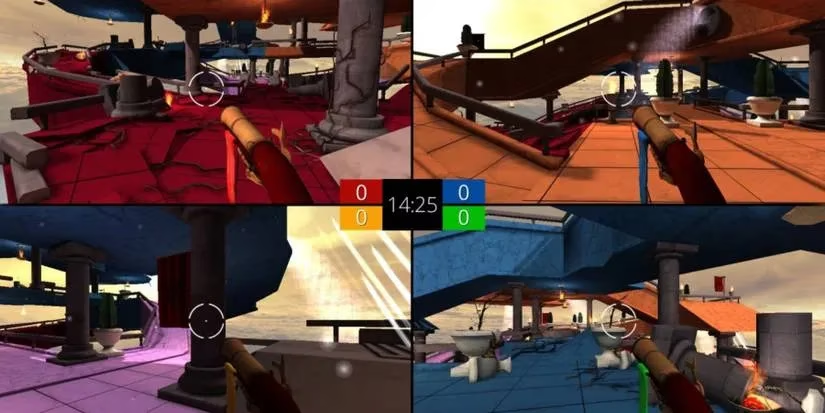
Screencheat flips the FPS genre on its head by turning the cardinal sin of screen-looking into the main mechanic. All characters are invisible, so the only way to locate opponents is to literally peek at their corner of the split-screen. The result is a frantic, hilarious deathmatch where the best strategists are the sneakiest screen-gazers. Up to four players can join the visual espionage, making it an absolute blast for party nights or any gathering where Redbull flows like water. Even twelve years after release, this under-the-radar gem reminds us that the cleverest innovations often come from breaking the rules.
These eight titles are more than just games—they’re landmarks in couch co-op history. By embracing split-screen not as a limitation but as a creative springboard, each one raised the bar for what local multiplayer can achieve. As 2026 rolls on and developers continue to chase massive online worlds, these classics stand as a testament that the most memorable gaming moments often happen when you’re so close to your partner you can hear them breathe.