The Grand Theft Auto community witnessed a dramatic saga unfold in early 2025. A highly anticipated fan-led project, Grand Theft Auto: Vice City - Next-Gen Edition, released its final trailer, only to have its entire YouTube channel wiped off the map by publisher Take-Two Interactive. Many thought this aggressive copyright strike spelled the end for the ambitious mod. Yet, in a defiant move, the development team, Revolution Team, not only launched the project as scheduled but completely rebuilt it into a standalone package, severing its initial ties to GTA IV out of protest. The story isn't just about a mod's release; it's about the emotional and creative toll exacted on fan developers when corporate enforcement clashes with passionate community projects.
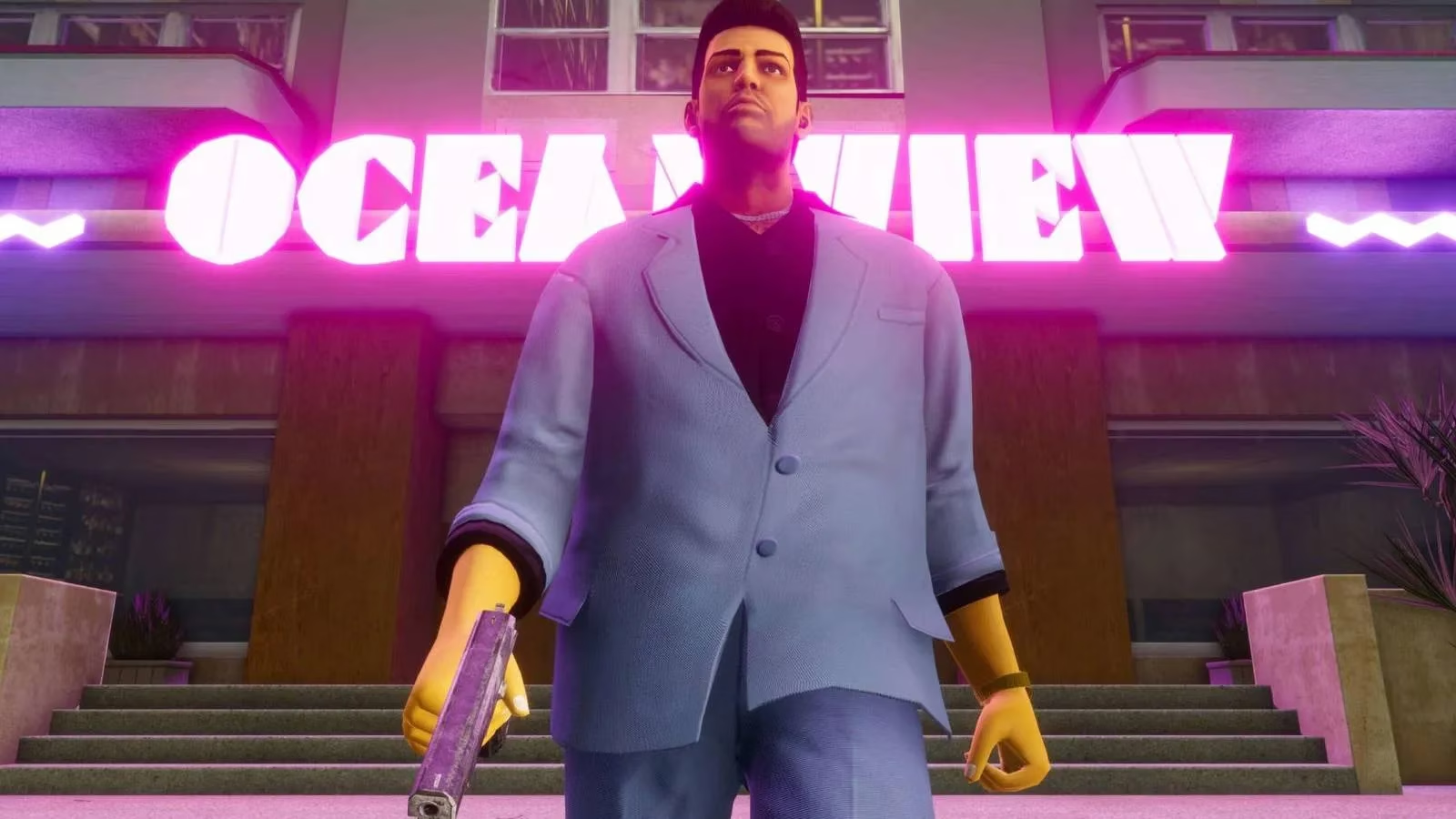
The project's journey was a rollercoaster. That final trailer? It went absolutely viral overnight, racking up over 100,000 views and 1,500 comments in less than 24 hours. The hype was real. But Take-Two's response was swift and, from the team's perspective, devastatingly impersonal. The publisher took down the project's YouTube channel without any prior contact or warning. For Revolution Team, this wasn't just about losing a promotional platform. It was about losing a massive archive of their creative journey.
"A huge amount of effort and time was invested into the channel," the team stated. "Additionally, we lost connection with our international audience, which was a significant part of our community."
Hundreds of hours of development logs, tutorials, and community interaction—gone in an instant. This move by Take-Two fundamentally changed the team's approach. Their original plan was to release the mod as a modification requiring a legitimate copy of Grand Theft Auto IV, a nod of "respect to the publisher." After the takedown, that respect evaporated.
The Pivot to Standalone & The Lingering Cloud
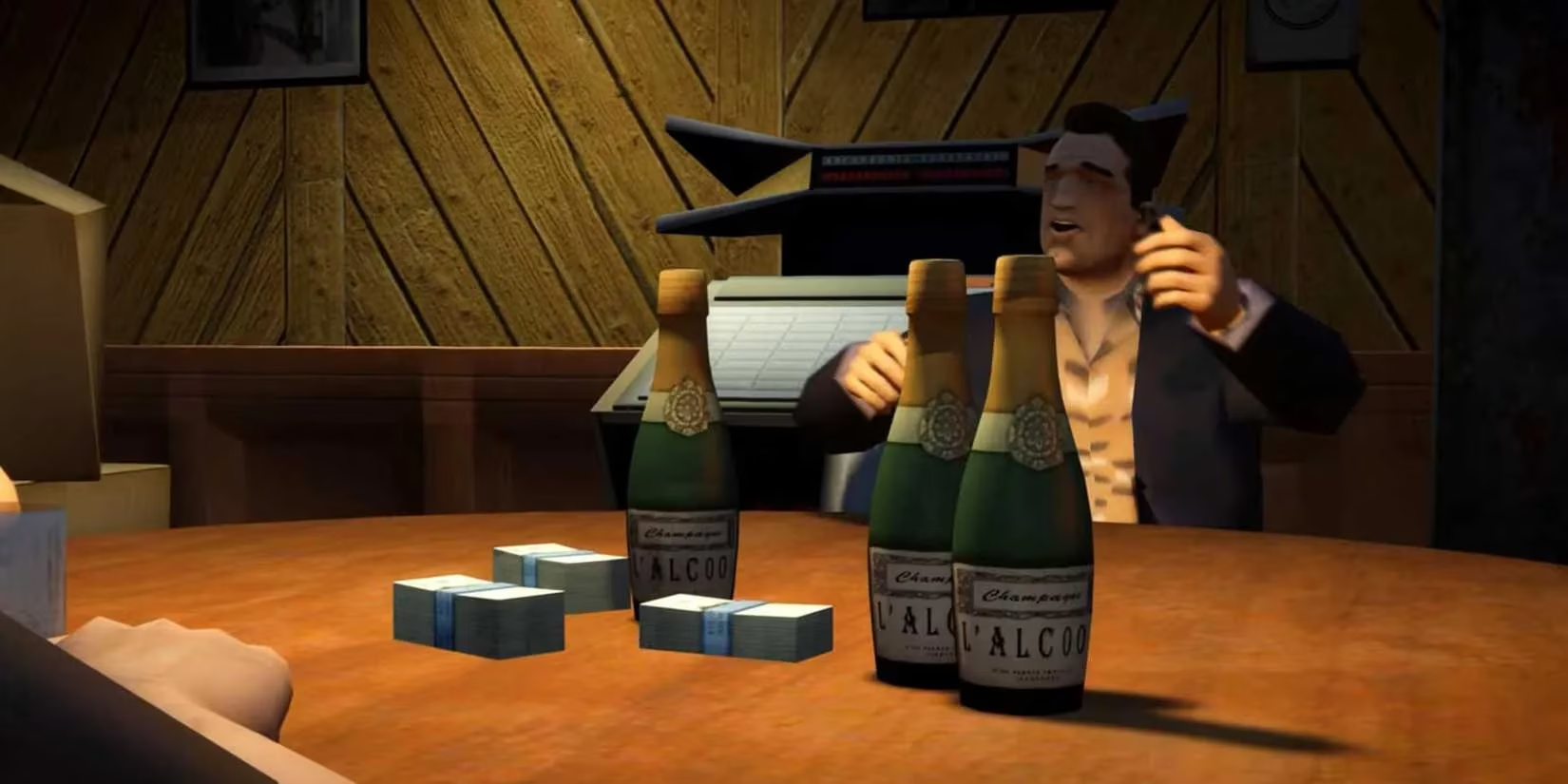
Fueled by the community's support and their own frustration, Revolution Team went back to work. They completely rebuilt Vice City: Next-Gen Edition into a "standalone installation-ready package." No base game required. This was a direct response to Take-Two's actions, transforming the project from a respectful mod into a self-contained fan creation. They launched it on schedule, a testament to their dedication.
However, the shadow of Take-Two still looms large. The emotional impact on the developers is palpable. The team admitted the loss of their channel has been "emotionally tough." Beyond the personal toll, there's a constant, gnawing uncertainty about the project's future. Will Take-Two issue a DMCA against the mod itself? How long will it stay up?
"It's unclear how long it will remain publicly available or whether there will be demands to take it down," their statement reads. "We are not opposed to reuploads, but we cannot openly encourage you to do so. Do as you see fit."
This parting message to the community is a mix of resignation, defiance, and a quiet plea for preservation. It underscores the precarious existence of fan projects in the gaming landscape of 2025-2026.
A Broader Conversation About Fan Labor
This incident isn't happening in a vacuum. It's part of an ongoing, tense dialogue between intellectual property holders and the fan communities that keep their classic games alive and relevant. The Revolution Team's experience highlights several key issues:
-
The Value of Archival Work: Fan development channels are modern gaming archives. Their deletion erases not just promotion, but historical documentation of a game's evolution.
-
The Human Cost of Takedowns: Corporate actions have real emotional consequences for the volunteers who pour their hearts into these projects.
-
The Irony of Enforcement: While Take-Two protects its IP, it's often fan projects that maintain interest in older titles like Vice City, potentially driving sales of official re-releases or keeping the brand in the cultural conversation.
The team's decision to go standalone is a fascinating development. It potentially places their work in a more legally ambiguous space, but also frames it more clearly as a transformative, fan-driven love letter rather than a derivative add-on.
What's Next for Vice City: Next-Gen Edition?
As of 2026, the mod remains available in the wild, a symbol of community resilience. Its features, which include modern graphical overhauls, updated controls, and enhanced gameplay mechanics, are now accessible to anyone willing to seek them out. The story of its release has arguably brought it more attention than a smooth launch ever could have.
The saga of Vice City: Next-Gen Edition serves as a case study for the future of fan mods. It shows that even in the face of corporate power, determined communities can find a way to share their work. But it also serves as a sobering reminder of the risks and personal costs involved. The ball is now in the community's court to preserve this piece of fan history, "doing as they see fit," while the gaming world watches to see if this marks a shift in how such projects are handled or just another flashpoint in an endless cycle.