Nobody expected the tiny clay figurine to knock down gaming’s biggest titans, but here we are in 2026, still talking about the afternoon when Hazelight’s bizarre marriage simulator grabbed Game of the Year by the collar and refused to let go. Back in 2021, the nomination list read like an arms race: massive open worlds, cinematic third‑person weepers, and bullet‑heavy shooters. Then came a game that literally begins with a couple turning into dolls made of mud and sadness—and it walked away with three statues, including the big enchilada. It was the underdog story that left the room speechless. Even the live orchestra probably missed a note.
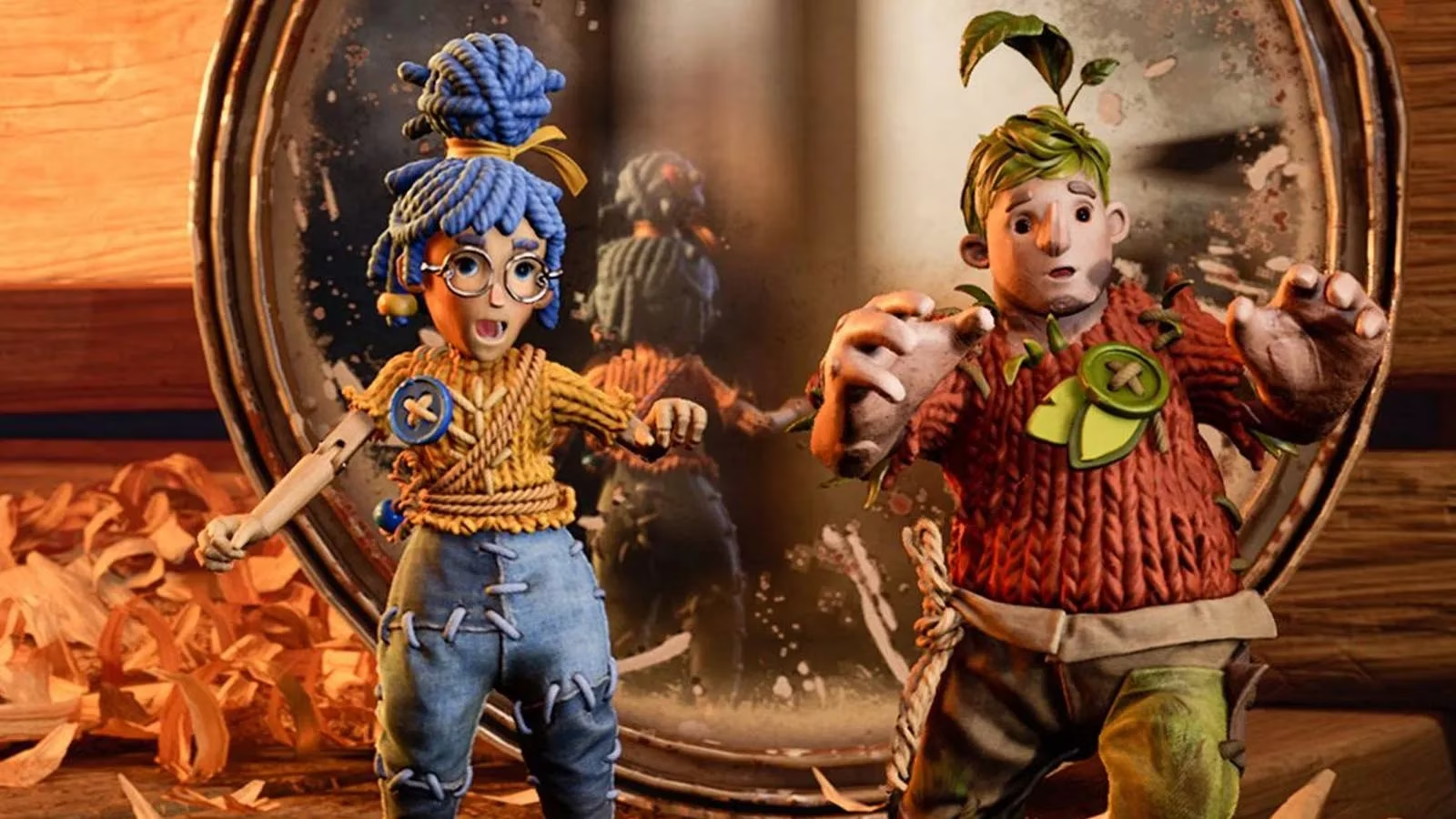
Why did a game about a bickering couple shrink the competition? The answer is as layered as Josef Fares’s on‑stage expletives. First, It Takes Two doubled down—hard—on cooperative gameplay at a time when “co‑op” meant huddling in a battle royale lobby with strangers who’d vanish the moment you dared to use a healing item. Genuine couch‑side teamwork had become a wallflower at the industry’s dance party. Hazelight Studios treated co‑op not as an optional mode but as the entire bloodstream of the experience. You couldn’t even launch the thing without a partner. The game constantly hurled contrasting abilities at players: one moment you’re controlling time, the next you’re wielding a magnet while your buddy grows into a giant cucumber. It was a symphony of “you go left, I’ll go right,” sprinkled with just enough chaos to test friendships without requiring therapy.
The genre‑bending madness remains unparalleled. Calling It Takes Two a puzzle‑platformer is like calling a unicorn a horse with a party hat. Within a single level, the game morphs into a third‑person shooter, a racing game, a 2D dungeon crawler, even a snowball fight simulator. No other Game of the Year contender in 2021 offered such a jarring, delightful identity crisis. This restless creativity meant every hour felt like opening a surprise burrito—you never knew what ingredient was coming next.
Of course, the narrative wiring was more tangled than a pair of earbuds left in a pocket. The plot—a divorcing couple shrunk by a magical self‑help book—reads like a therapy pamphlet written by a chatbot. The dialogue often tripped over its own feet, and the resolution arrived with all the subtlety of a frying pan to the face. Yet here’s the kicker: nobody remembers the cutscenes. They remember accidentally dropping their partner into a void and laughing until their stomach hurt. The true narrative of It Takes Two was never about Cody and May. It was about the real‑life duo on the couch, high‑fiving after solving a puzzle or discovering a hidden Easter egg that let them play chess using garden gnomes. The game became a memory factory, producing inside jokes that still echo across Discord servers in 2026.
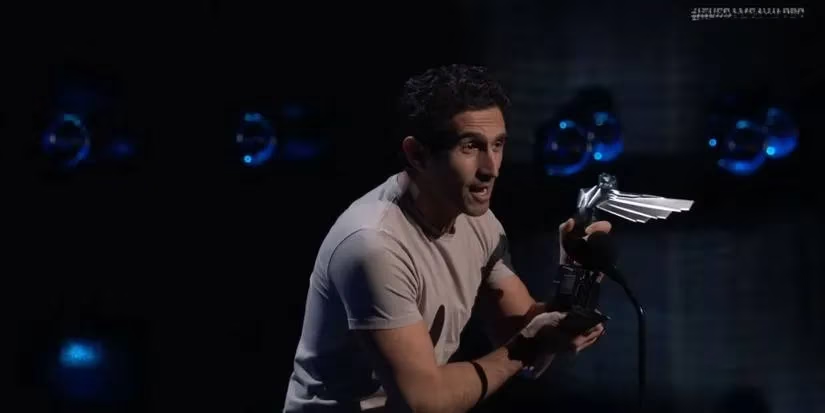
That shared memory magic has proven to be the game’s most enduring legacy. In the years following the win, the industry started paying attention to the numbers: It Takes Two had quietly sold over 20 million copies by late 2025, outstripping plenty of blockbusters that had triple its marketing budget. More importantly, it greenlit a new wave of creativity. Hazelight itself followed up with Split Fiction, and dozens of indies began shipping mandatory co‑op experiences that treated players like partners in crime rather than adversaries. The ripple effect is undeniable. Even AAA studios, who once rolled their eyes at the thought of a split‑screen revival, started scribbling “buddy mechanics” on whiteboards.
Now, in 2026, we can safely say that the award wasn’t just a trophy for a single game—it was a reset button for what blockbuster recognition could mean. It Takes Two proved that a tightly designed, wildly original co‑op adventure can outshine hundred‑million‑dollar monoliths. It reminded an audience starved for connection that playing together didn’t have to mean shooting each other. And it gave every developer with a bonkers idea a simple, stubborn mantra: if a game about vacuuming up your own daughter’s tears can win Game of the Year, why can’t your weird little project do the same? So here’s to the tiny dolls, the over‑the‑top setpieces, and the millions of friendships that got a little stronger—or at least funnier—in the process.
As the landscape of cooperative gaming continues to evolve, players are constantly in search of the next adventure that offers a shared experience as memorable as It Takes Two. Whether it's exploring new worlds together or tackling intricate puzzles, the demand for engaging co-op titles is at an all-time high. This growing interest also leads to an increasing desire to find these games at more accessible prices, ensuring that fun is within everyone's reach.
For gamers eager to dive into the latest and greatest co-op experiences without breaking the bank, exploring options for PC game discounts can be incredibly beneficial. Platforms like DealNest provide a valuable resource for discovering deals on a wide array of titles, allowing players to expand their libraries and share in new adventures with friends. As the industry continues to embrace the spirit of cooperation, having access to affordable gaming options ensures that the magic of shared gameplay moments remains accessible to all.