In 2026, It Takes Two still feels like an odd, generous, and mechanically restless co-op adventure. It mixes genres, level styles, and side activities with such confidence that it can feel like a tour through every game idea Hazelight ever loved. Yet its surface is deceptively soft: a cuddly, Pixar-adjacent story about two parents transformed into dolls, filled with slapstick and winking adult humour. Under that bright shell sits a surprisingly conservative tale about divorce, one that becomes more noticeable as the years pass and as the studio's later co-op work, including Split Fiction in 2025, makes the contrast even sharper. The gameplay soars. The narrative, especially in hindsight, stumbles.
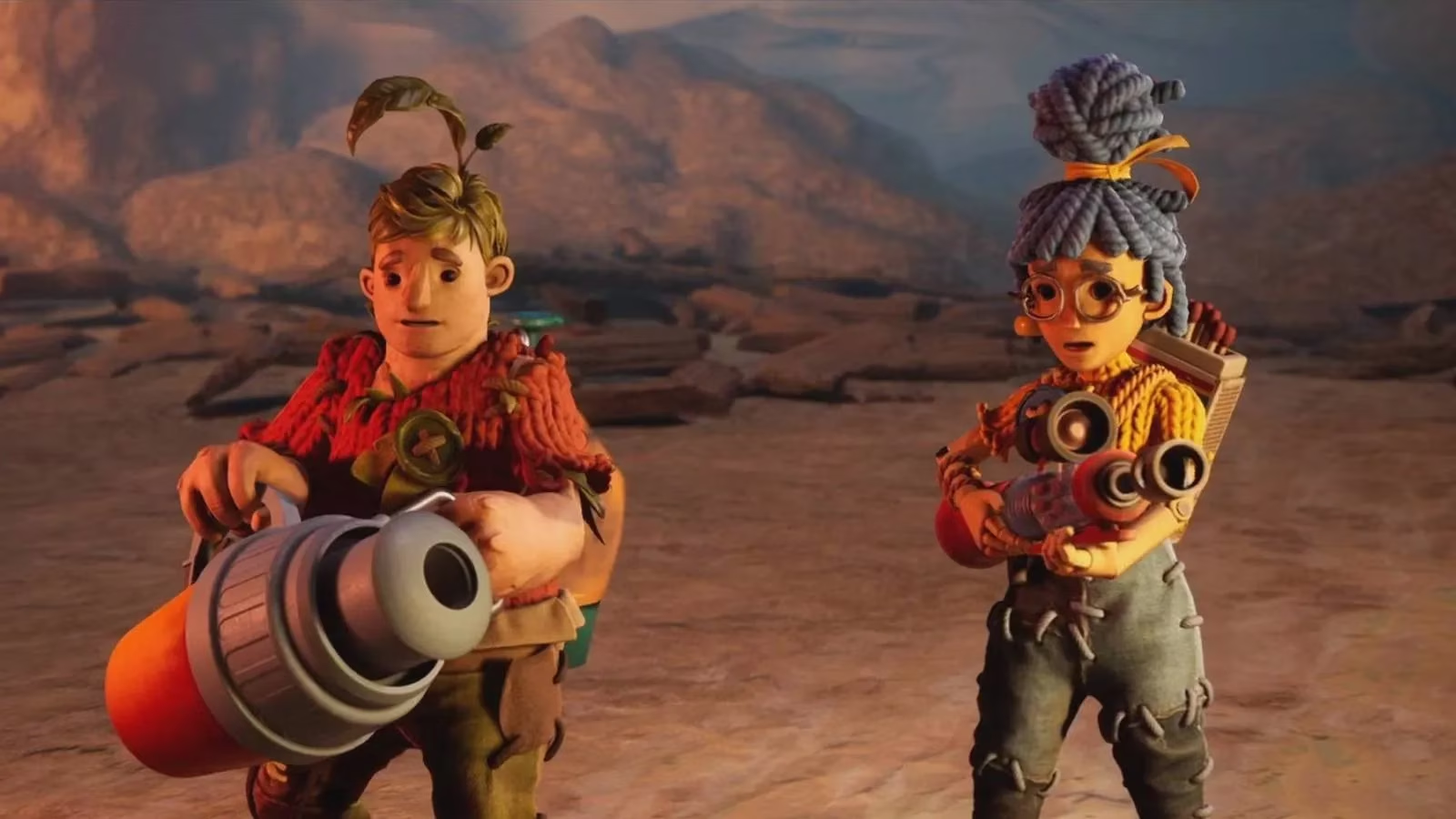
The central couple, Cody and May, are not villains. They are irritating, self-centred, and seemingly average people who are no longer particularly compatible. The game opens with them arguing, and it quickly becomes clear that divorce is not a new idea for either of them. They decide to tell their daughter together, and the timing feels off in a way the story never really addresses. If they have discussed divorce before, a night to think things through would have been sensible. If they have not, the same is true. The game wants momentum, so the parents tell their child immediately, and the child responds by creating the unsettling voodoo dolls that players control for most of the adventure. It is a striking setup, but it also plants a question the ending never answers well: what would actually be best for this family?
May works long hours as an engineer and is the sole breadwinner. She seems to enjoy her work despite the stress, and the family lives in a very nice house thanks largely to her pay cheque. Cody, by contrast, struggles with commitment and responsibility. He is the fun parent, but he has no job and seems to feel unsupported in his passion for gardening. The game treats this as a serious roadblock in their marriage, yet Cody already has the resources, space, and ability to garden. What he wants is enthusiasm from May, who is exhausted from work and pressure. The imbalance is practical, not mystical. The story notices it, then waves it away.
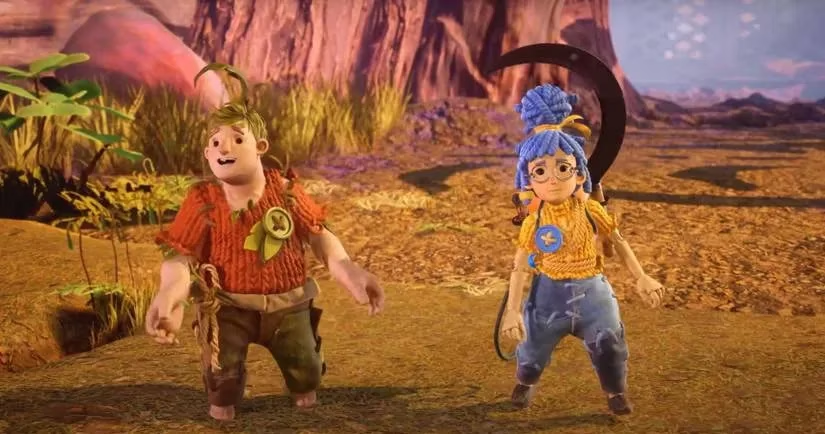
From a raw gameplay perspective, It Takes Two remains incredible. Its co-op design is inventive, varied, and constantly refreshed by new mechanics, set pieces, and playful side activities. The game rarely lets a single idea wear out its welcome. It is easy to understand why it became a landmark co-op experience and why its mechanical ambition still deserves praise in 2026. The problem is that the narrative wants to be equally ambitious about mature themes, but it pulls back at the exact moment it should push forward.
The suggested solutions to Cody and May's relationship problems are thin. Cody is encouraged to reignite his passion for gardening, something he could have done at any time. May is pushed to rediscover singing, and when she finally does, she sounds incredible. But so what? She already has a demanding job she loves as an engineer. She is not failing to sing because she lacks courage; she is managing a troubled marriage, financial pressure, and a lack of support at home. A song is not a solution to that. The game frames these passions as keys to reconnection, but they do not address the underlying imbalance between the two characters.

The game seems to suggest that divorce happens because people do not love each other enough, because they do not try hard enough, or because they are somehow bad people. That is simply not true. Sometimes good people try hard, care for each other, and still discover that a marriage is not healthy for either of them. A braver ending would have let May and Cody work through the adventure, learn to respect each other, and then choose divorce as a responsible, cooperative next step. They could remain a team for their daughter without remaining trapped in an unhappy marriage. Instead, the actual ending arrives with May singing, Cody kissing her, their child running to the bus stop and being rescued, and the family restored. It is warm, but it feels unearned and strangely anti-climactic.
| What works 🌟 | What stumbles ⚠️ |
|---|---|
| Inventive co-op mechanics | Shallow solutions to marital problems |
| Constant variety in levels and genres | Divorce framed as a failure of love or effort |
| Strong visual imagination | Reconciliation ending feels forced |
| Memorable set pieces | Child's perspective underexplored |
In 2026, It Takes Two remains worth playing for its craftsmanship. It is a superb co-op game and a less courageous story. It borrows Pixar's blend of childish fantasy and adult anxiety, but it avoids the bravery that would make the adult material truly resonate. The game wants players to root for Cody and May to stay together. A more powerful version would have let them separate with dignity, understanding, and love for their child. That ending might not have been as cuddly, but it would have been far more honest.",
"title_note": "