Back in 2021, when I first booted up It Takes Two with my wife, I remember thinking, "Wow, this is different." Here we were, two people controlling two characters on one screen, but it felt like we were sharing a single adventure. We laughed, we shouted at each other when we messed up a puzzle, and we shared those quiet, 'aha!' moments of discovery. That feeling—of a story built for two—is something Hazelight Studios has perfected, and now, in 2026, as I gear up for Split Fiction, that same excitement is bubbling up all over again. It's a weird and wonderful niche they've carved out: making games you actually finish with a friend, not just play forever.
The Lonely, Brilliant Path of Hazelight
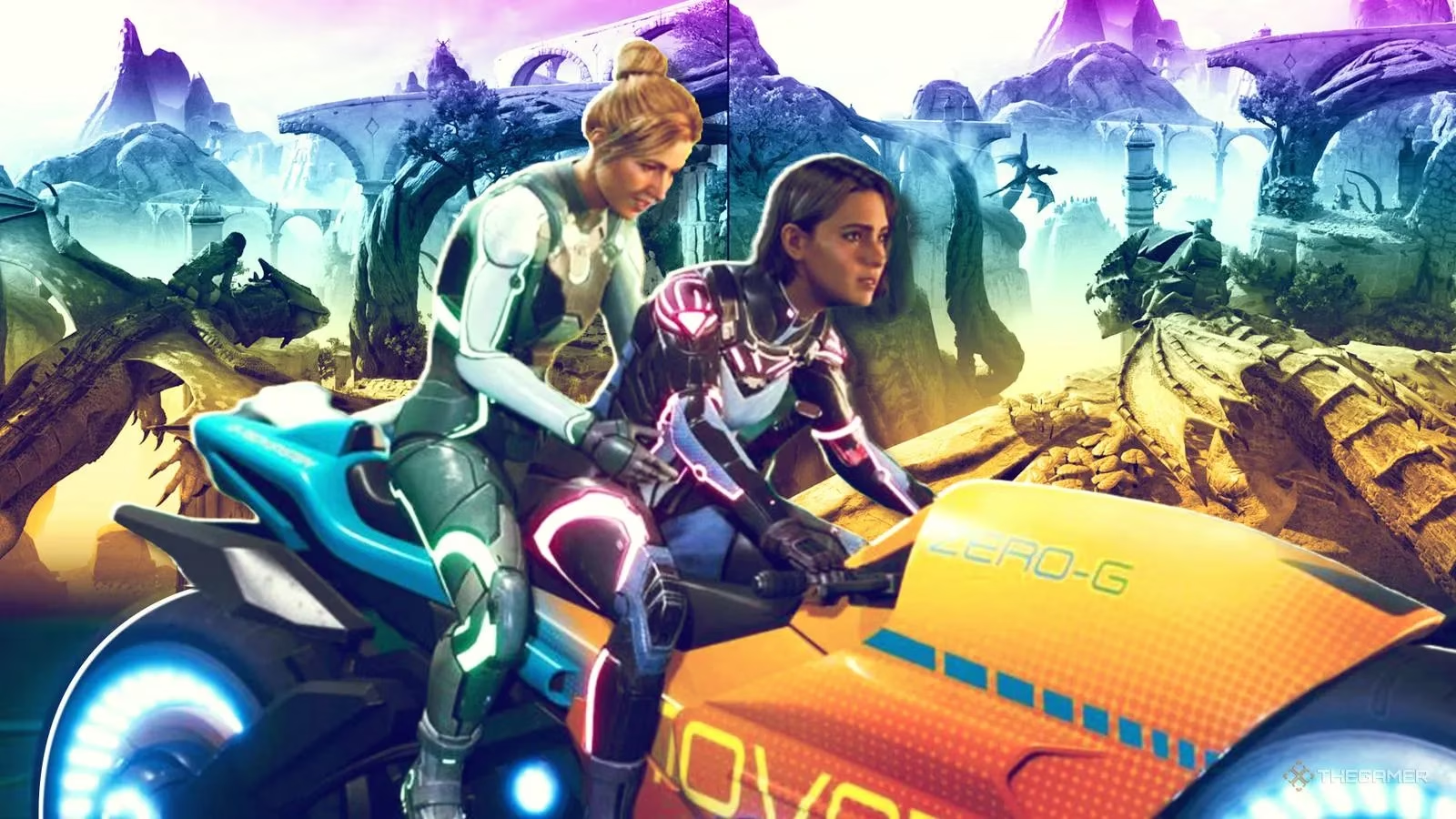
Let me be real for a second: the gaming world is packed with options. You've got your massive single-player epics and your live-service multiplayer behemoths that demand your time like a needy pet. And then, sitting quietly in the middle, is Hazelight. Their whole deal is so specific it's almost funny. They make these linear, story-driven campaigns that you must play with another human being. No AI companion, no solo option. It's you and a friend, start to finish. They've done it with A Way Out, they knocked it out of the park with It Takes Two, and now Split Fiction is carrying the torch.
What's wild to me is how few other developers have jumped on this bandwagon. You'd think, with all their success, we'd see a flood of copycats, right? But nope. It's mostly just them. Sure, there are co-op games like Overcooked or Moving Out, but those are more about the chaotic fun of working together on a task—the story is basically an afterthought, just a thin excuse to get you chopping vegetables or throwing furniture out a window. 😂
On the flip side, you have big narrative games like Halo or Far Cry that offer co-op, but don't require it. That flexibility is nice, but it means the game can't be designed around the unique possibilities of two players. It can't have a level where one person is literally a nail and the other is the hammer, forcing you to communicate and coordinate in ways a solo player never could. That kind of magic only happens when co-op isn't an option—it's the rule.
Why Mandatory Co-op Creates Magic
The beauty of Hazelight's formula is the constraint. Because they know you'll always have a partner, they can build puzzles and levels that are impossible anywhere else. I'll never forget that level in It Takes Two with the hammer and nail. My wife had the hammer, I had the nail, and we had to figure out how to progress by literally using each other. We were yelling things like, "Okay, I'm going to stand here, you swing at three! One... two... wait, not yet!" It was frustrating, hilarious, and incredibly bonding. You just don't get that from a game where you can choose to go it alone.
It's like... imagine going on a roller coaster by yourself. It's thrilling, sure. But going on that same roller coaster with your best friend strapped in next to you, screaming together at the big drops? That's a whole different, shared experience. That's what Hazelight sells: a shared, narrative roller coaster.
The Waiting Game and The Promise of Split Fiction
Here's the thing, though: Hazelight takes their sweet time. A new game every three or four years! In an industry obsessed with constant updates and seasonal content, they're out here making polished, complete experiences and then... going quiet. That long wait between games means this awesome niche they've created often feels empty. Where are all the other studios trying this?
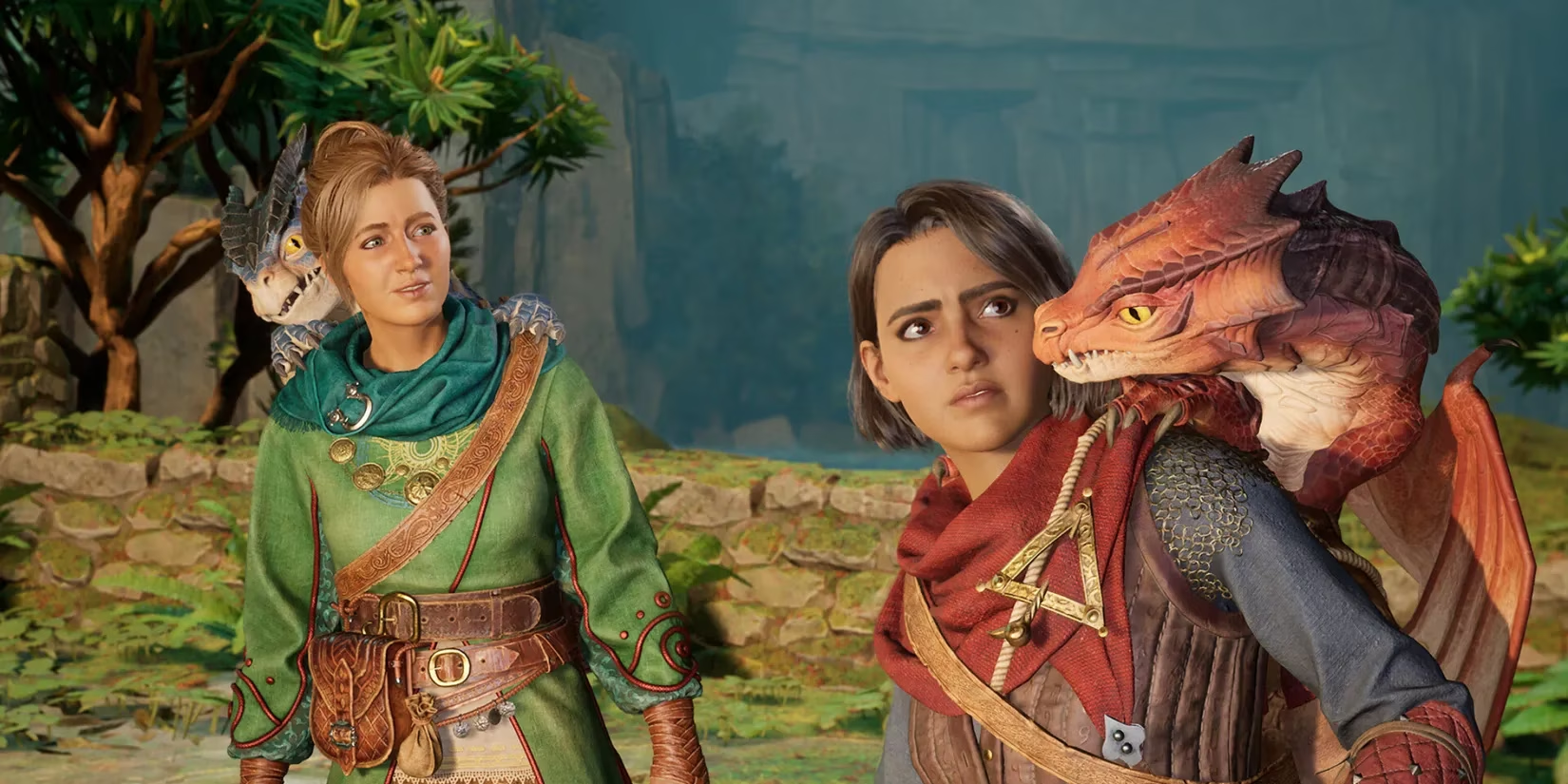
Maybe they're scared. Maybe making a game that requires two players feels like too big a risk in a market where everyone wants to play solo. But for players like me, that wait makes each new announcement feel like an event. I am absolutely champing at the bit for Split Fiction. If you loved It Takes Two, you know the feeling. It's that anticipation of not knowing what wild, inventive, and probably darkly humorous surprise is around the next corner.
My playthrough of It Takes Two was full of those moments—the good (the incredible boss fights that used our co-op in new ways every time) and the... uh, memorable (we all know which elephant scene I'm talking about). The point is, we discovered it all together, fresh, with no spoilers. That's a rare joy in today's gaming landscape.
A Niche That Shouldn't Be So Niche
Hazelight has proven there's a hungry audience for this stuff. They've built a reliable path to success by doing the opposite of the industry norm: making finite experiences designed for shared storytelling. I truly hope Split Fiction inspires more developers to jump in. The table below shows why this space feels so wide open:
| Game Type | Narrative Focus | Co-op Requirement | Example |
|---|---|---|---|
| Hazelight-style | 🟢 High | 🟢 Mandatory | It Takes Two, Split Fiction |
| Chaotic Co-op | 🔴 Low | 🟢 Mandatory | Overcooked, Moving Out |
| Big Campaign + Co-op | 🟢 High | 🔴 Optional | Halo, Far Cry |
As 2026 rolls on, I'm counting down the days until I can dive into Split Fiction with a friend. It's more than just a new game; it's a return to a specific kind of shared adventure that, for some reason, only one studio seems to remember how to make perfectly. And honestly? The gaming world is a richer place for it. Here's to hoping the future holds more rides built for two.