I remember the first time I booted up Xbox Game Pass back in 2023, scrolling through hundreds of titles like a kid in a candy store. Fast forward to 2025, and the subscription service landscape feels completely transformed—yet strangely unchanged where it matters most. Just last month, Take-Two Interactive President Karl Slatoff dropped some truth bombs during their earnings call that made me rethink everything about how we access blockbuster games. His comments about being "selectively supportive" of services like PlayStation Plus felt like a splash of cold water in an industry obsessed with all-you-can-play models. As someone who's seen GTA V rotate through Game Pass four times since 2020, I can't help but wonder: Are we witnessing subscription fatigue from gaming's heavy hitters?
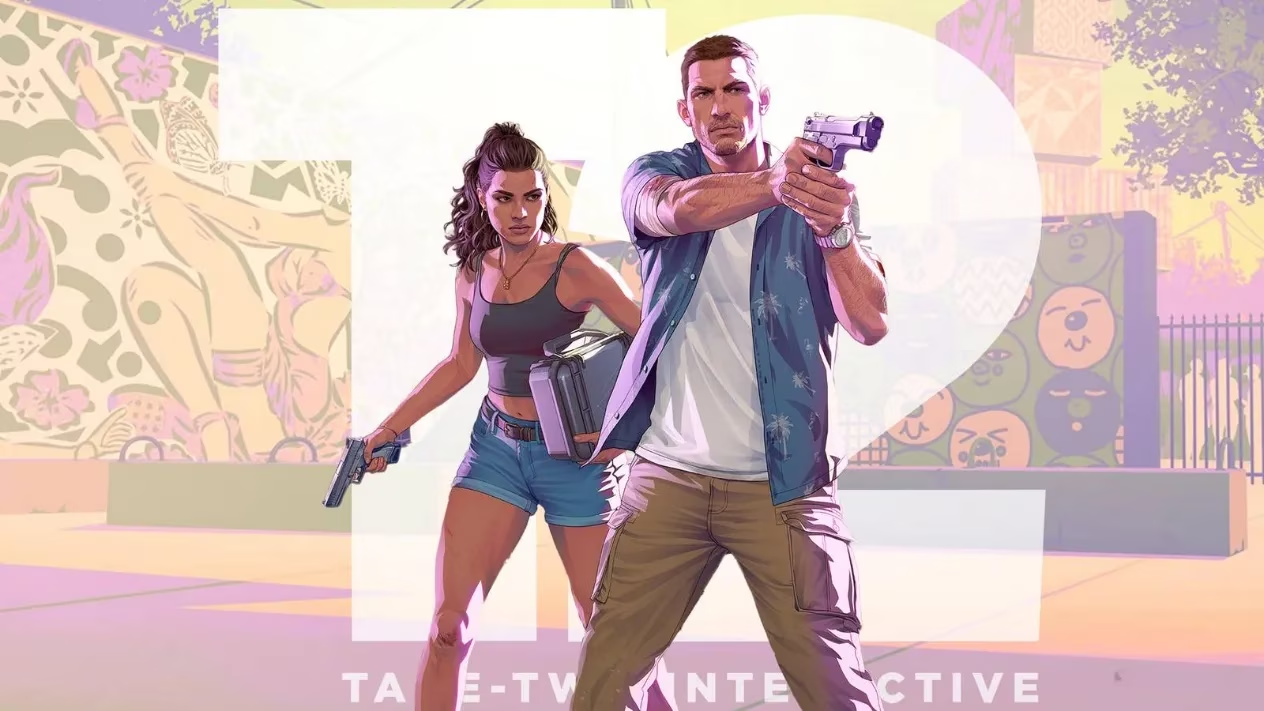
What struck me most was Slatoff's blunt admission that even their record-breaking NBA 2K success had almost zero meaningful connection to PS Plus additions. That revelation hit hard while I was scrolling through my subscription library last Tuesday. We've been conditioned to believe these services drive massive engagement, but here's a top exec saying their crown jewel franchise grew despite subscription placement, not because of it. It makes you question the whole ecosystem's value proposition for AAA publishers.
Take-Two's dance with subscriptions feels like watching a cautious tango 💃🕺. On one hand, they'll toss older titles like GTA V into the ring when the economics align—Slatoff called April's Game Pass return a "mutually beneficial arrangement." On the other, their resistance to day-one launches remains ironclad. I recall trying to convince my gaming group back in 2023 that Rockstar titles would eventually debut on subscriptions. Two years later, that prediction seems embarrassingly naive after hearing Slatoff double down on Take-Two's stance.
What fascinates me is how this mirrors Microsoft and Sony's own evolving strategies:
| Platform | Approach to 3rd-Party Titles | Take-Two Compatibility |
|---|---|---|
| Xbox Game Pass | Aggressive additions | Occasional older titles |
| PlayStation Plus | Curated selections | Rare premium additions |
| GTA+ | Exclusive Rockstar content | Primary focus |
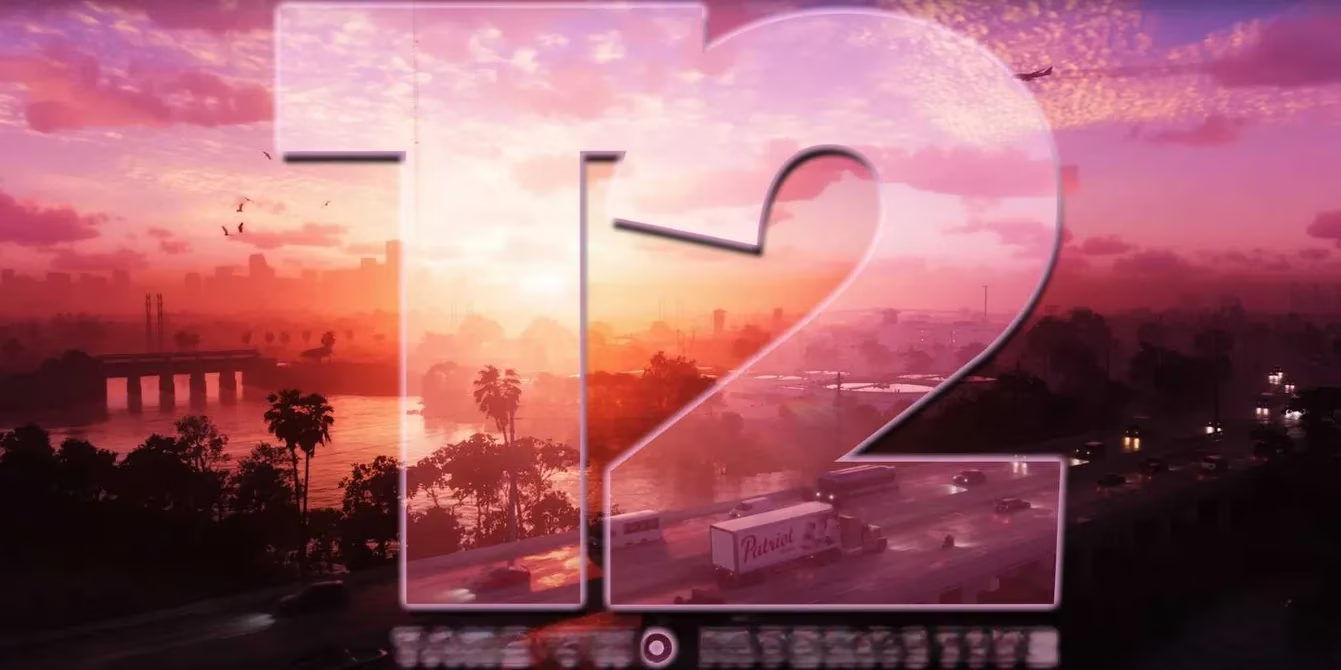
That internal GTA+ service keeps gnawing at my curiosity. While Slatoff downplayed subscription-driven revenue during the call, their commitment to proprietary offerings speaks volumes. It's not reluctance—it's strategic reservation. When my buddy asked why Red Dead Redemption 2 vanished from Game Pass again last quarter, I finally understood: Take-Two views subscriptions as promotional real estate, not profit centers. Their $3B+ annual revenue isn't built on rental fees but sustained engagement across decades-old franchises.
Yet the contradiction lingers: How do they reconcile Slatoff's acknowledgment that subscriptions "obviously drive engagement" with their minimal catalog participation? Maybe it's about controlling the terms. When NBA 2K24 hit PlayStation Plus last holiday season, my entire squad downloaded it—but we all ended up buying the $100 Ultimate Edition anyway. That's the magic equation Take-Two protects so fiercely: subscriptions as gateway drugs to premium purchases.
As I pre-order GTA VI (like half the planet 🌍), I can't shake the feeling that Take-Two's stance represents a broader industry inflection point. The subscription gold rush feels increasingly stratified:
-
Indie devs: All-in for visibility
-
Mid-size studios: Hybrid models
-
AAA publishers: Calculated participation
And that's what makes Slatoff's comments so prophetic. When he noted that even platform holders won't overspend on third-party catalogs, it revealed subscription services' dirty little secret: They're loss leaders until proven otherwise. My Game Pass subscription renews next month, but for the first time, I'm questioning whether these libraries will ever house the industry's true crown jewels at launch.
So here's what keeps me up at night: If engagement doesn't translate to meaningful revenue for publishers, and players increasingly treat subscriptions as temporary sampling services, are we hurtling toward a subscription bubble burst? 🤯