As someone who adored Hazelight Studios' masterpiece It Takes Two, I approached Split Fiction with sky-high expectations in 2025. The premise sounded incredible—a blend of fantasy and sci-fi narratives woven together with a timely metaphor about AI appropriating creative work. Given how brilliantly the studio handled cooperative gameplay and emotional storytelling in their previous title, I truly believed this would be their magnum opus. Unfortunately, despite some flashes of brilliance, Split Fiction ultimately feels like a creative step backward, plagued by familiar issues that worked better in a simpler context.
The Writing Problem: Corny Dialogue Meets Serious Themes
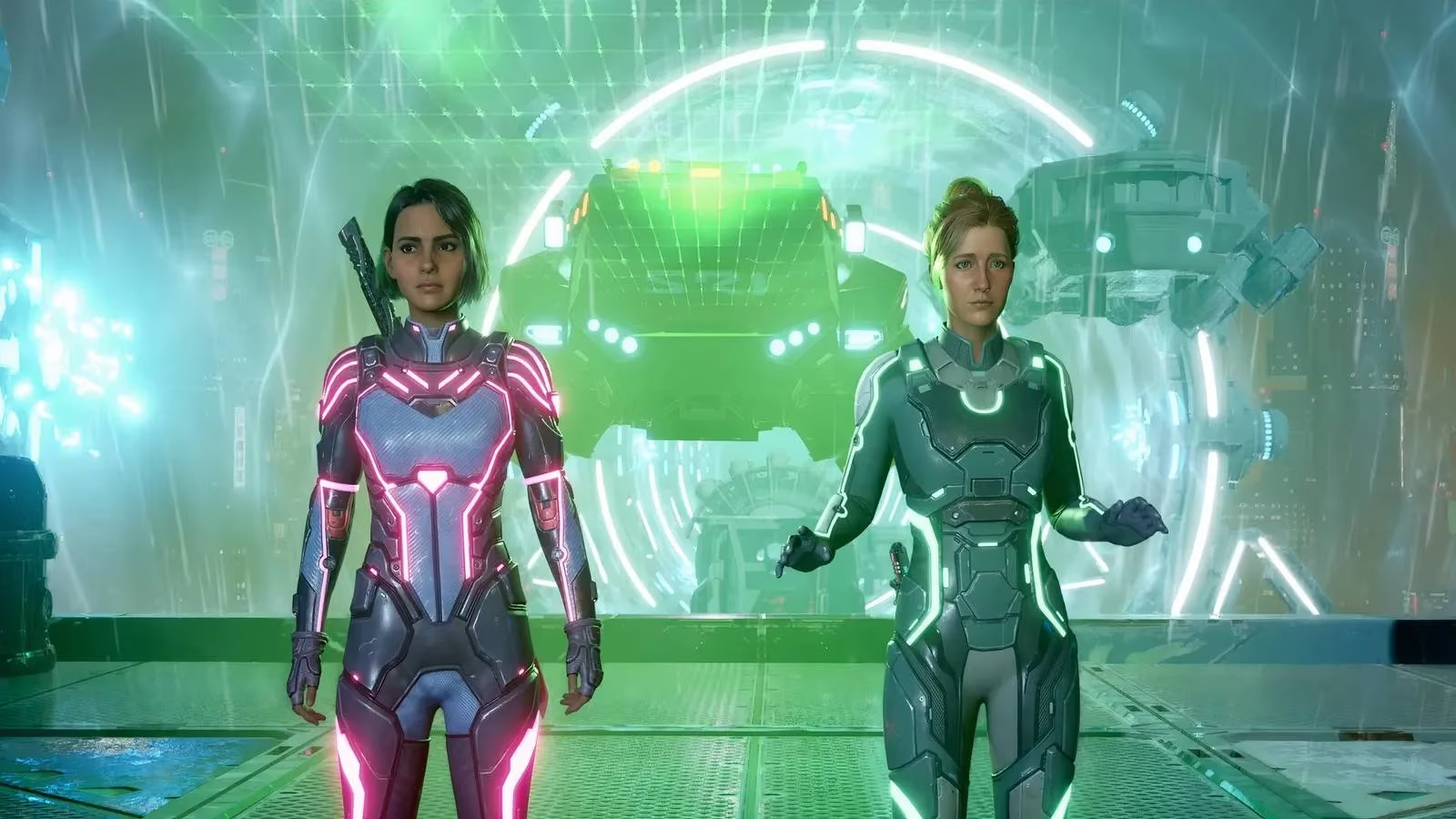
The most immediate issue I encountered was the writing quality. While It Takes Two featured cheesy dialogue that fit its family-friendly story about marital strife, that same style feels completely out of place in Split Fiction. This game tackles weighty themes like creative theft, grief, and existential threats from AI—subjects that demand nuanced writing. Instead, characters speak in unnatural, corny lines that sound nothing like actual human conversation. When dealing with serious emotional moments, the script's flaws become painfully obvious and undermine the narrative's impact.
Ludonarrative Dissonance: Creative Theft While Critiquing It
Split Fiction commits what I consider its cardinal sin: it liberally borrows from every major sci-fi and fantasy property while simultaneously criticizing its villain for doing the same thing. The irony is overwhelming. Throughout my playthrough, I encountered:
-
Levels directly inspired by Dune 🏜️
-
Gameplay sections that transform you into Iron Man 🤖
-
Environments borrowed from Metroid and SSX 🎮

From a pure gameplay perspective, this genre-hopping keeps things fresh and unpredictable. But narratively, it creates a disconnect that's impossible to ignore. When your story's central antagonist is literally an AI that steals creative ideas, having your own narrative constantly borrow from established IPs feels hypocritical rather than homage.
Comparison to It Takes Two: A Step Backward?
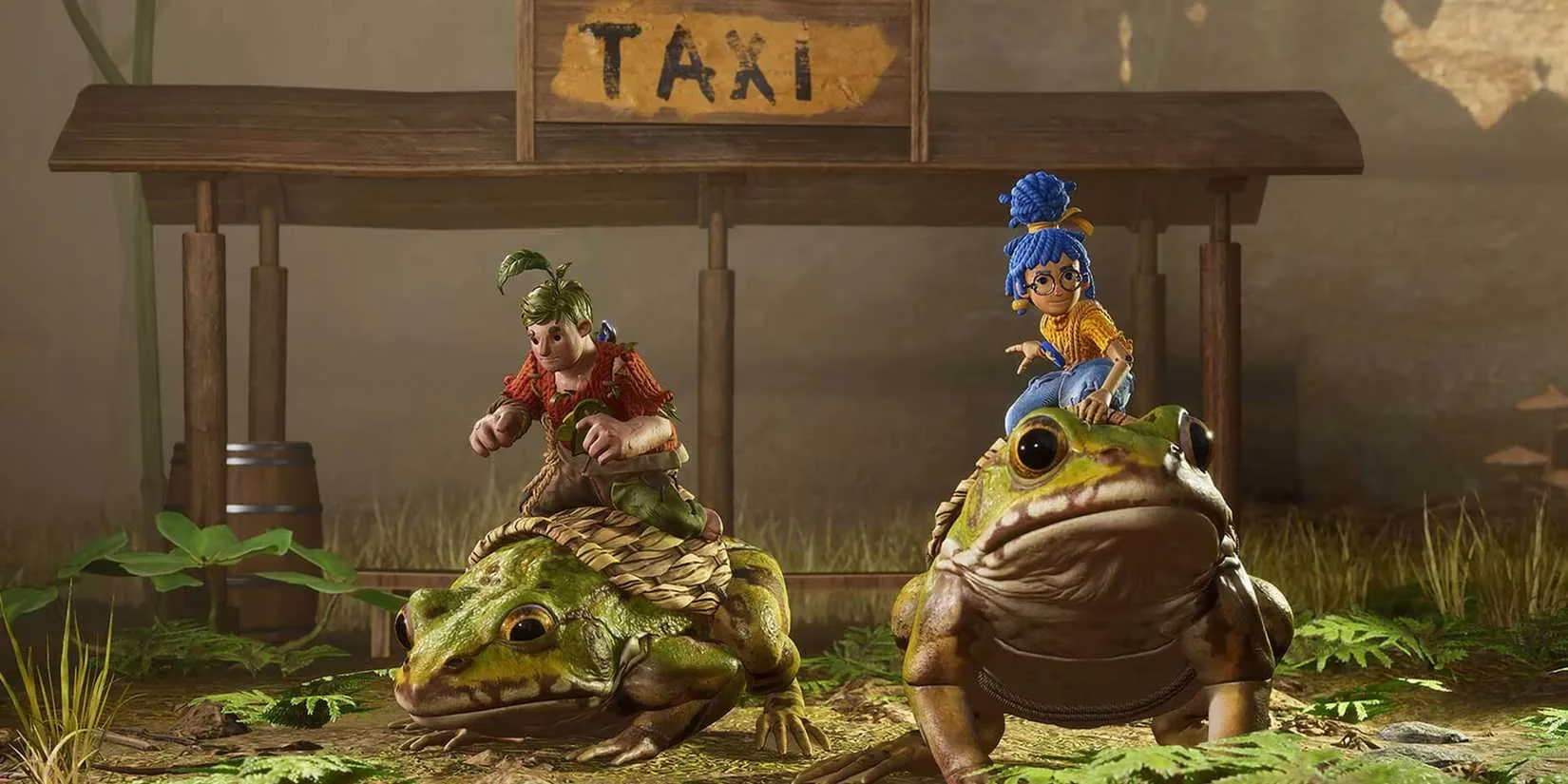
Many players, including myself, expected Split Fiction to surpass It Takes Two given its more ambitious setting. After all, if Hazelight could create such emotional depth within the confines of a house and garden, what could they accomplish with limitless sci-fi and fantasy worlds? The answer, disappointingly, is surprisingly little. Here's how the two games compare:
| Aspect | It Takes Two | Split Fiction |
|---|---|---|
| Story Originality | Creative within constraints | Generic sci-fi/fantasy tropes |
| Dialogue Quality | Fittingly cheesy | Inappropriately corny |
| Combat Mechanics | Varied and engaging | Repetitive and dull |
| Vehicle Handling | Smooth and fun | Awkward with poor respawns |
While Split Fiction does feature some clever platforming mechanics, the combat feels repetitive, and any vehicle sections are frustrating due to clumsy controls. It Takes Two had enough creative spark to make me overlook its weaker elements, but Split Fiction doesn't offer the same compensation.
The Saving Grace: Brilliant Side Quests
Despite my criticisms, Split Fiction does have one phenomenal strength: its optional side content. These "orb" quests are where the game truly shines. Whether I was transformed into a farting pig hunting for spectral cats or navigating whimsical childhood memories, these side stories consistently delivered:
-
✅ Creative storytelling that surpasses the main narrative
-
✅ Emotional depth that reveals character motivations
-
✅ Innovative gameplay mechanics absent from main levels
-
✅ Genuine humor and charm missing elsewhere
These optional journeys through the protagonists' minds provide more character development than any line of main story dialogue. They demonstrate what Split Fiction could have been with more consistent creative vision.
Final Verdict: Missed Potential
Playing Split Fiction in 2025 feels like experiencing a talented artist create a beautiful frame but fill it with generic stock images. The technical craftsmanship is evident in the cooperative mechanics and platforming, but the creative soul feels borrowed rather than born. While the side quests offer glimpses of brilliance, they're not enough to salvage a main narrative that undermines its own themes through ironic creative theft. For co-op enthusiasts, there's still fun to be had, but for those expecting It Takes Two's magic in a new setting, prepare for disappointment. Hazelight Studios remains capable of greatness, but Split Fiction unfortunately isn't it.