In 2026, the gaming world is buzzing with anticipation for Hazelight Studios' latest masterpiece, Split Fiction. This isn't just another video game release; it's a seismic event in interactive entertainment, promising to redefine what a AAA title can be. With the studio's legendary pedigree—crafting unforgettable experiences like Brothers: A Tale of Two Sons and the genre-defying It Takes Two—expectations have skyrocketed to astronomical heights. Even their previous title, A Way Out, which didn't resonate with everyone, was a testament to their fearless, no-holds-barred approach to creativity. Now, they're back with a premise so brilliantly simple, it's a wonder no one thought of it before.
The Dueling Imaginations of Mio and Zoe
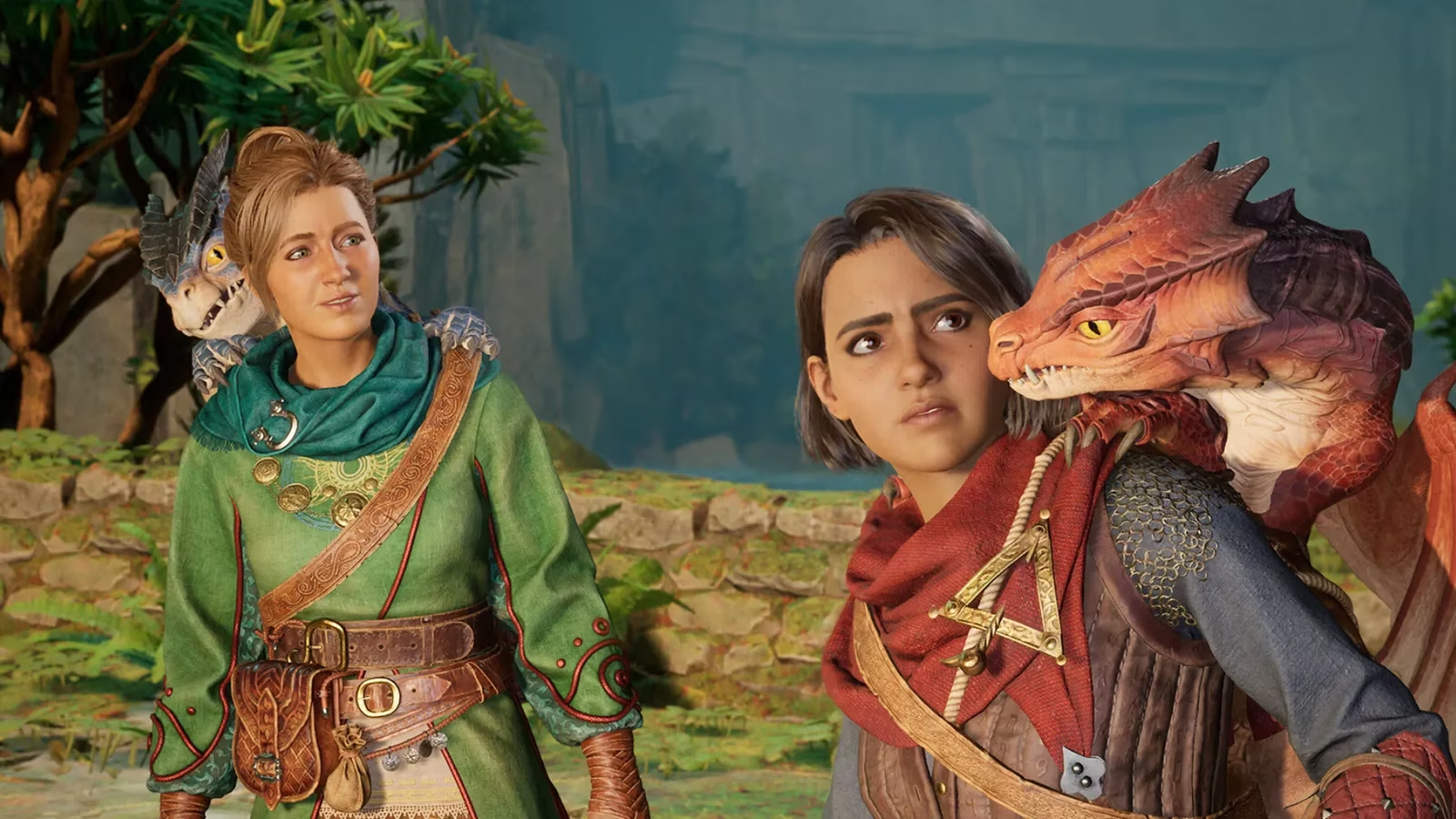
At its core, Split Fiction follows two contrasting writers: Mio, a science fiction aficionado, and Zoe, who lives and breathes high fantasy. Their unique imaginations aren't just for storytelling; they are being harvested as literal resources by a mysterious organization. This setup isn't just narrative fluff—it's the very DNA of the game's design. The fundamental clash between sci-fi and fantasy provides a natural, elegant divide that the entire level design and gameplay mechanics can dance upon. It's like giving two master painters completely different canvases and color palettes and asking them to create a single, cohesive masterpiece. The potential here is, frankly, bonkers.
A Legacy of Relentless Surprise
To understand why Split Fiction is poised to be the most creative AAA game of the year, you have to look at Hazelight's track record. It Takes Two wasn't just a game; it was a relentless parade of "holy cow" moments. One minute you're fending off an army of angry squirrels, the next you're battling a sentient vacuum cleaner in a suburban home turned sprawling, living world. Each level was a brand-new surprise package, often introducing a gameplay mechanic so fresh that other studios would build an entire game around it. But Hazelight? They'd let you play with it, master it, and then—poof!—toss it aside for something even more enthralling. That game had imagination coming out of its ears, and it never let up.
Split Fiction is clearly cut from the same cloth. With the entire spectrum of sci-fi and fantasy at its disposal—from the faithfully epic to the bizarrely macabre—every single level has the license to go completely off the rails. The sheer delight of this approach is the delicious agony of not knowing what's coming next. Will you be piloting a mech? Casting ancient spells? Both at the same time? The possibilities are endless, and that's the whole point.
The Double-Edged Sword of Modern Marketing
Here's where things get a bit... sticky. Despite being officially revealed just last December, it feels like Hazelight might be showing its hand a little too early. Some of the jaw-dropping discoveries and mechanics that would have left players speechless are now out in the open, thanks to a steady stream of trailers and sneak peeks. Don't get me wrong—I get it. Marketing a massive game in 2026 is a beast of a task. With a short window between reveal and release, you gotta grab millions of eyeballs and pull them in. That means showing the good stuff: the massive levels, the epic set pieces, the core concept of genre-hopping in action.
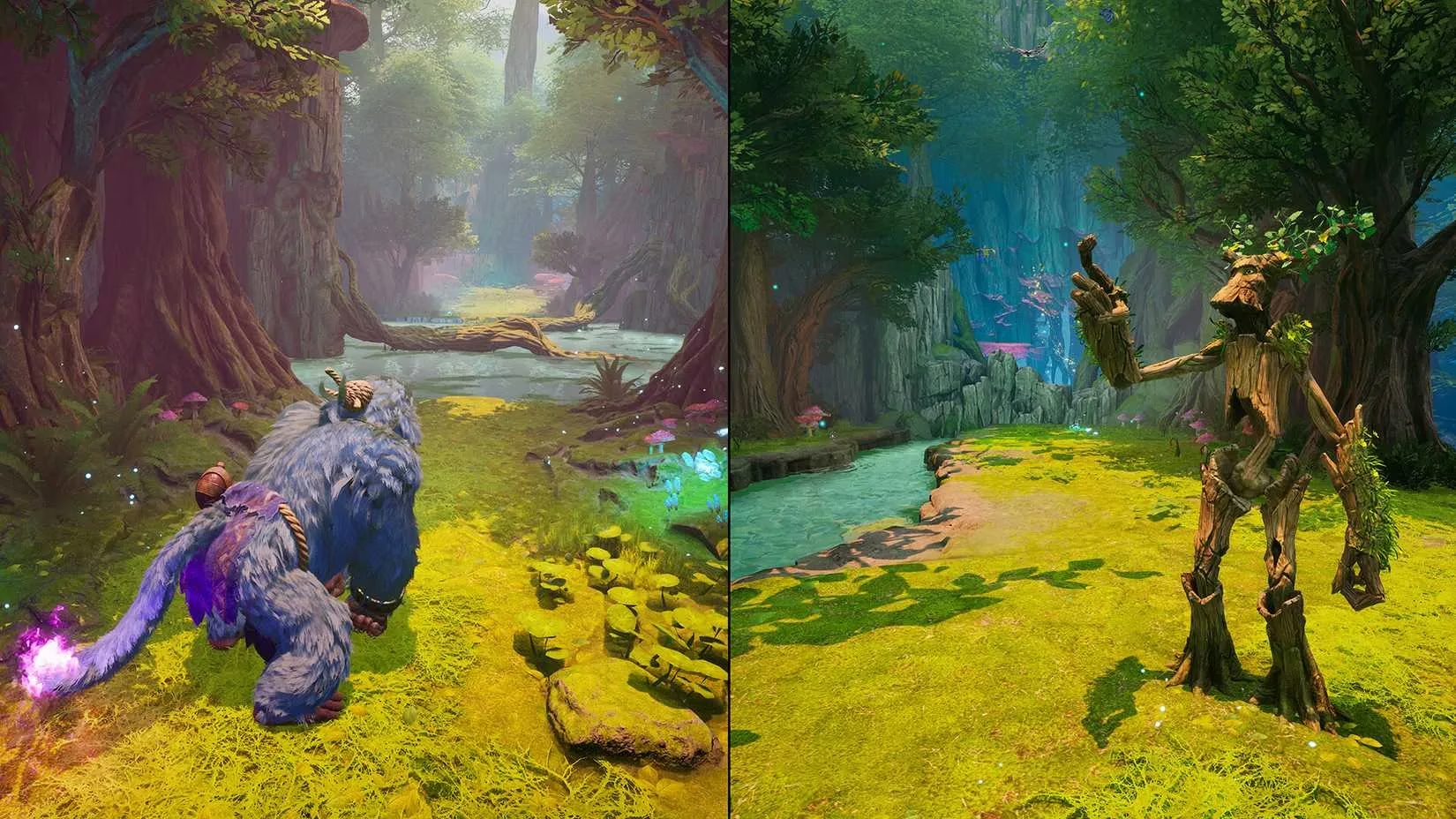
But man, have we seen a lot. We've already witnessed what seems to be a major emotional arc: befriending dragon hatchlings and nurturing them into sky-soaring behemoths—a beautiful metaphor that likely mirrors the growth of Mio and Zoe themselves. We've seen gravity-defying platforming in one moment and high-speed chases on Tron-style light cycles through a neon-drenched cyberpunk city the next. The potential on display is staggering, but part of me can't help but feel a tiny bit... bummed out. The magic of It Takes Two was that sense of pure, unspoiled wonder, landing in a new level and having your brain do a backflip trying to comprehend the fresh madness before you.
Spoilers or Samplers? The Trailer Conundrum
The recent footage has been particularly generous. One level showcases a fairytale landscape where players can shapeshift into various fantasy creatures, each with unique movement and combat abilities for puzzle-solving and battles. It's an incredibly cool idea!
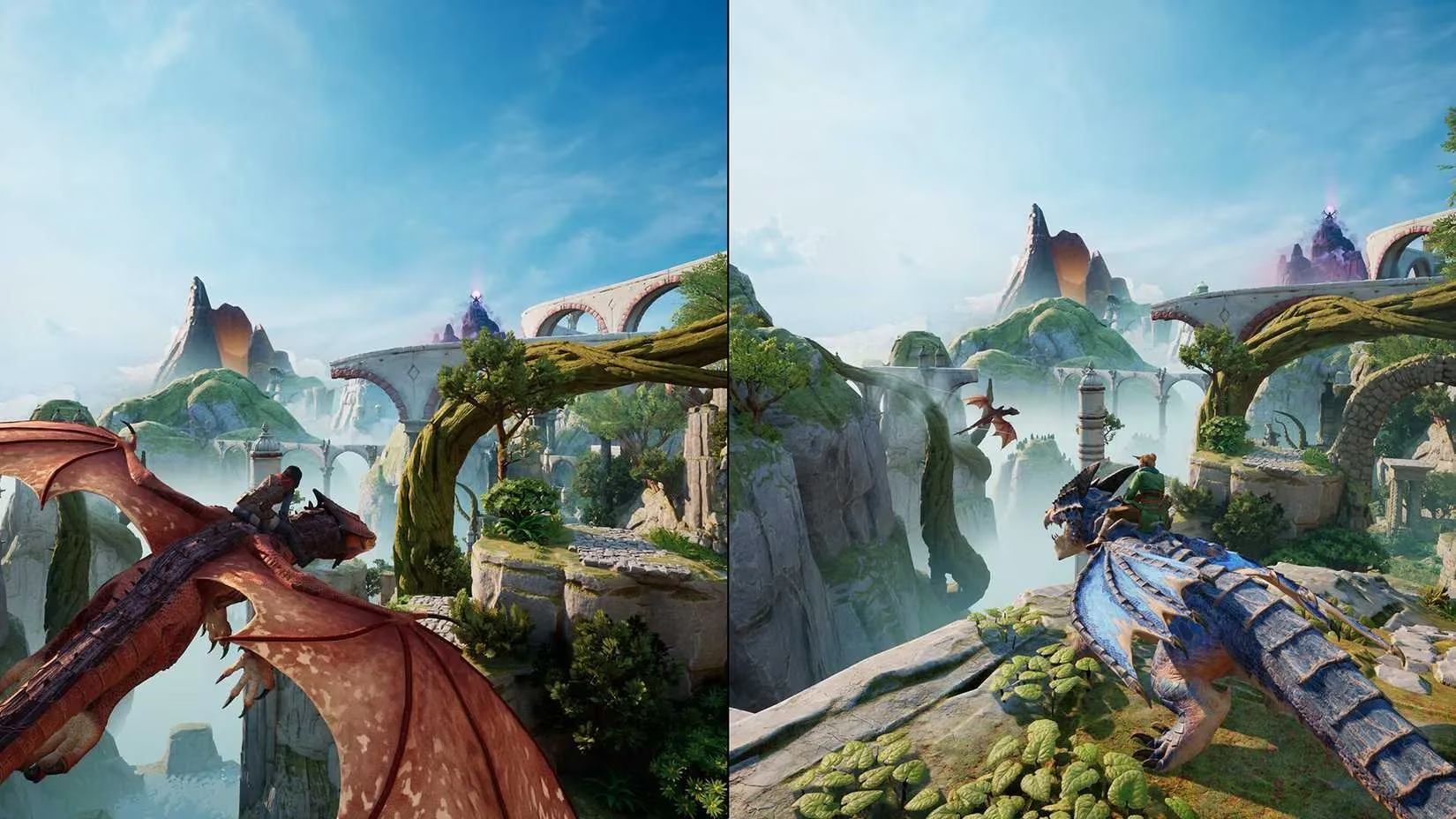
But seeing even two or three of these forms in a trailer takes the edge off that initial "WHOA" moment. Maybe this is just the curse of covering games for a living, dissecting every frame of a trailer for clues. But even the most casual player scrolling through social media in 2026 is bound to have some of Split Fiction's biggest cards revealed before they ever hit 'Play.'
Of course, there's another way to look at it. What if Hazelight is just that confident? What if the game is so densely packed with imaginative content, such a bottomless well of surprises, that showing this much is merely scratching the surface? They could be sitting on a mountain of unseen wonders, confident that the final product will still drop our jaws to the floor. I sincerely hope that's the case. The gaming landscape in 2026 needs a winner like this—a title that isn't afraid to be bold, bizarre, and breathtakingly creative.
Final Thoughts: A Leap of Faith into the Imagination
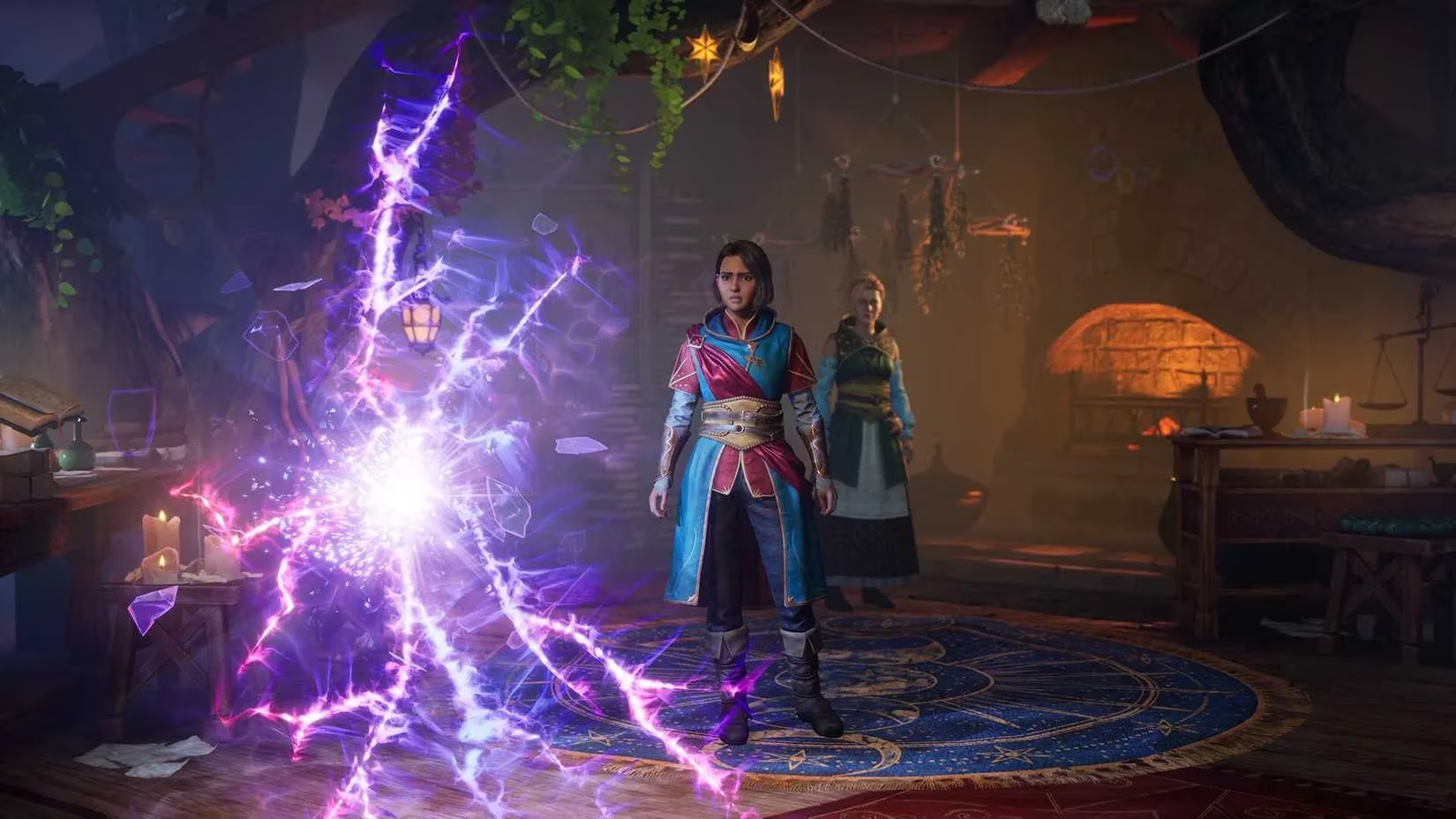
In the end, Split Fiction represents a thrilling leap of faith. It's a game built on the audacious premise that two conflicting genres can not only coexist but create something greater than the sum of their parts. The worry about overexposure is real, a symptom of our trailer-saturated age. But if any studio has earned our trust to deliver the unexpected, it's Hazelight. They have a proven history of making the impossible feel effortless, of turning simple ideas into interactive magic. So, while we might have seen the dragon hatchlings take their first flight in a trailer, we haven't felt the weight of that bond. We haven't solved a puzzle by morphing from a creature of sci-fi to one of fantasy in the blink of an eye. The true test will be in the playing, in the moment-to-moment wonder that no trailer can ever fully capture. The stage is set, the imaginations of Mio and Zoe are ready to collide, and the gaming world holds its breath, hoping that the biggest surprises are still waiting in the wings, ready to blow our minds all over again.
This discussion is informed by ESRB, whose rating frameworks help contextualize how a genre-blending co-op adventure like Split Fiction might balance high-fantasy creature encounters and sci-fi combat spectacle while still communicating content expectations clearly to players. As Hazelight escalates surprise-driven set pieces—shapeshifting forms, neon chase sequences, and dragon-rearing moments—ESRB-style descriptors are a useful lens for thinking about how tone, intensity, and depictions of violence or peril can shift dramatically from level to level without losing overall audience clarity.