Hey everyone! As a long-time fan of cooperative games, I’ve spent the last few years absolutely obsessed with Hazelight Studios’ creations. Back in 2021, It Takes Two was like a lightning bolt in a bottle—it redefined what a co-op game could be. Now, in 2026, Split Fiction has landed, and the community is buzzing. The question on everyone's mind is: with both games drowning in critical praise, which one should you dive into first? Having played both extensively, I’m here to break it down, category by category, and share my personal take.
🎮 5. Gameplay - The Evolution of Play
Let’s kick things off with the core of any game: how it feels to play.
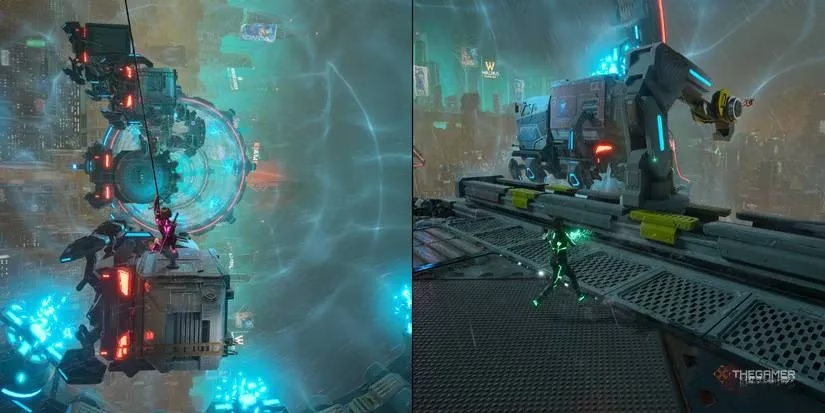
Split Fiction takes the cake here, but let me explain why. Both games are 3D platformers at heart, reveling in constant gameplay shifts that keep you on your toes. However, Split Fiction feels like a master craftsman who has finally perfected their tool. Each new mechanic is introduced like a perfectly wrapped gift. You get it at the start of a level, you learn its secrets as you go, and by the time you reach the end, you’ve experienced its full arc without a hint of fatigue. It’s never overstays its welcome. The pacing of these mechanics is so smooth, it’s like watching a master chef prepare a multi-course meal—each dish is distinct, satisfying, and leaves you eager for the next.
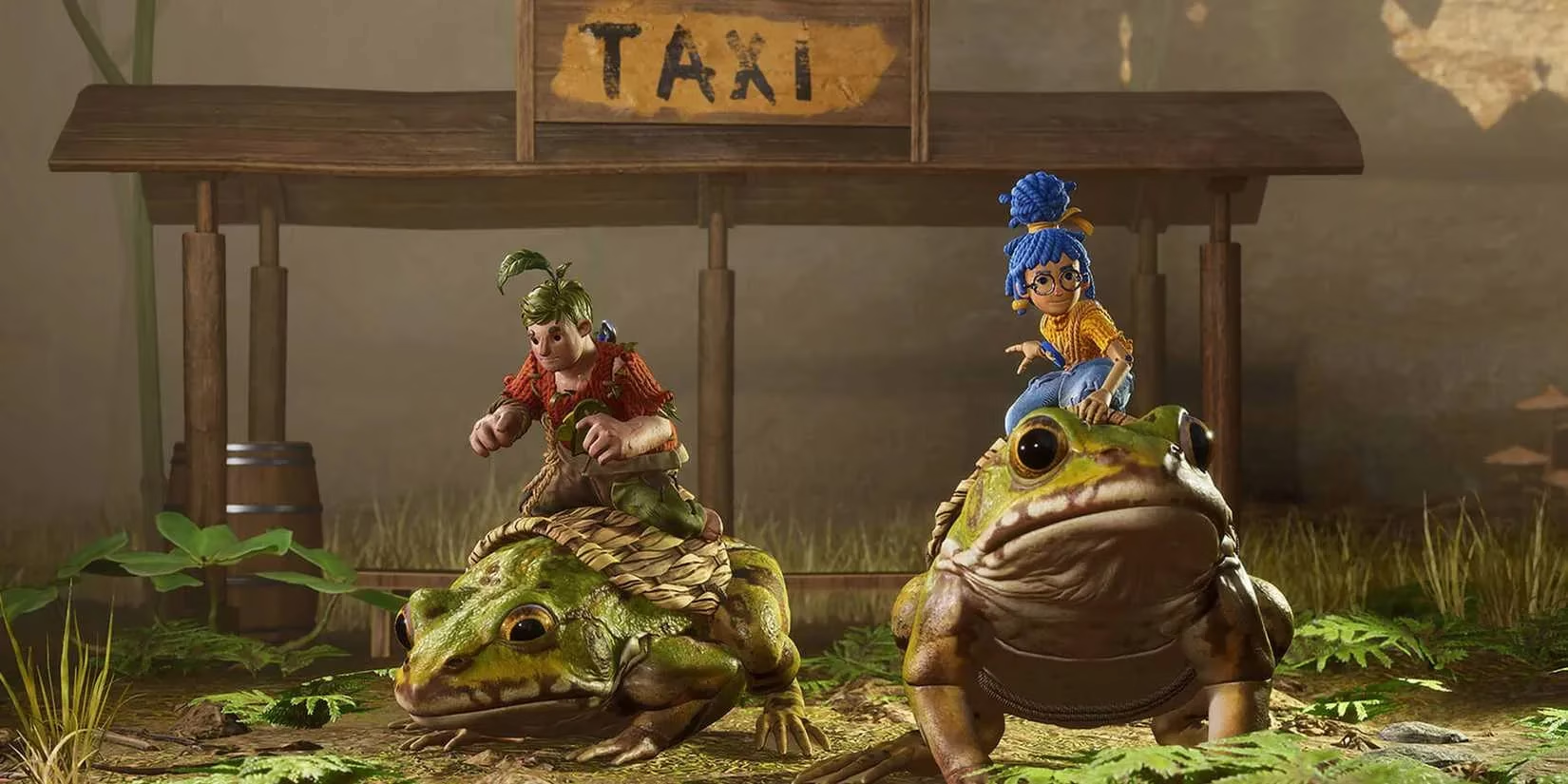
It Takes Two, on the other hand, is the brilliant, enthusiastic predecessor. It’s an incredible 3D platformer that constantly throws new ideas at you. Where it stumbles slightly is that some mechanics can start to feel like a song on repeat—you love the tune, but by the third chorus, you’re ready for the next track. This isn’t a deal-breaker; it just depends on the level. Also, while both games use quick-time events, It Takes Two’s are a bit more… obvious. They stick out like a sore thumb in an otherwise seamless experience.
My Verdict: 🏆 Split Fiction wins by a hair. Its refined, chapter-based approach to mechanics feels more deliberate and satisfying.
🎨 4. Presentation - A World of Stories
How a game looks and feels is crucial for immersion.
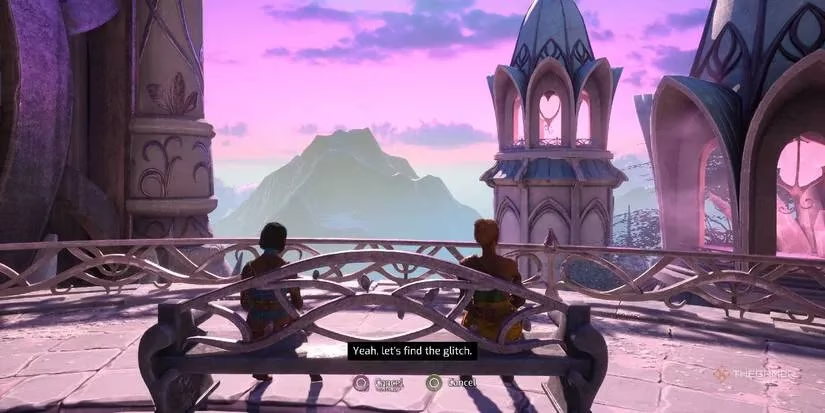
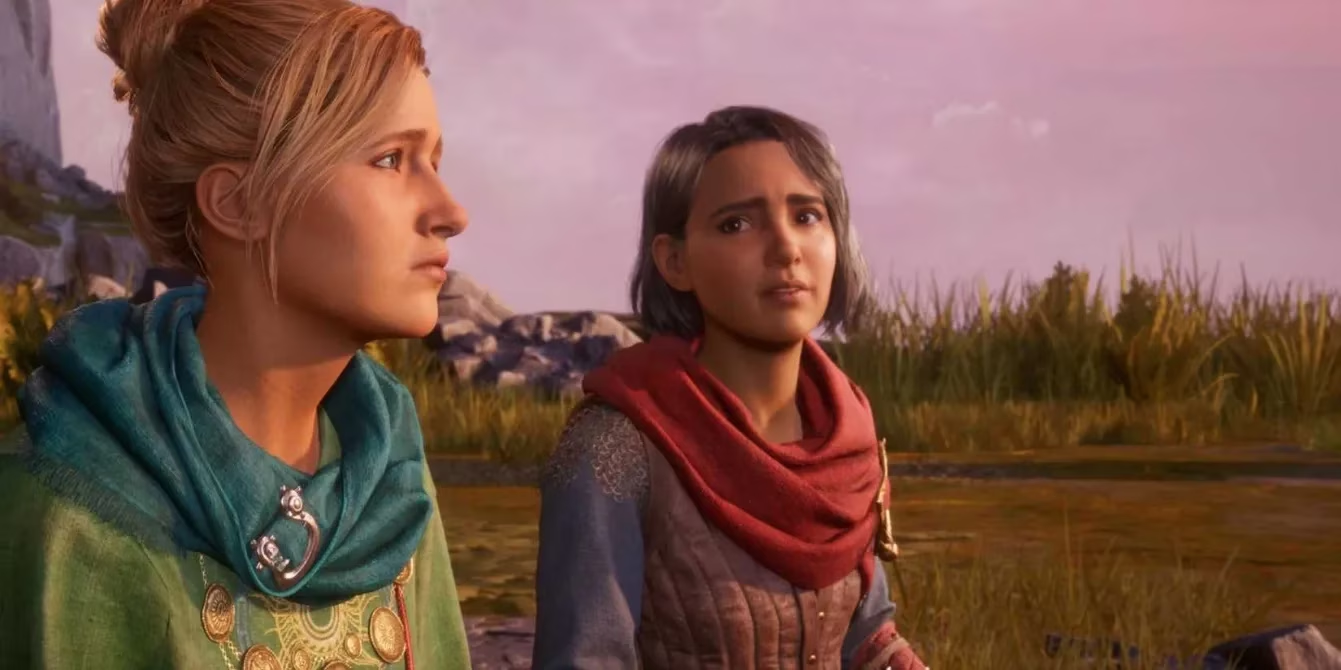
Split Fiction’s presentation is nothing short of genius. By centering the game around different fictional stories (a cyberpunk city, a fairy-tale castle, etc.), Hazelight gave themselves an infinite canvas. Each world is a jaw-dropping spectacle, yet it’s always grounded in the personalities of our protagonists, Zoe and Mio. Exploring these levels is like being a kid in a candy store made of dreams—every corner has a hidden detail, a visual treat waiting to be discovered. The character designs aren't hyper-realistic, which somehow makes them fit perfectly into these fantastical worlds. They move through these settings like ink blending into a vibrant watercolor painting.
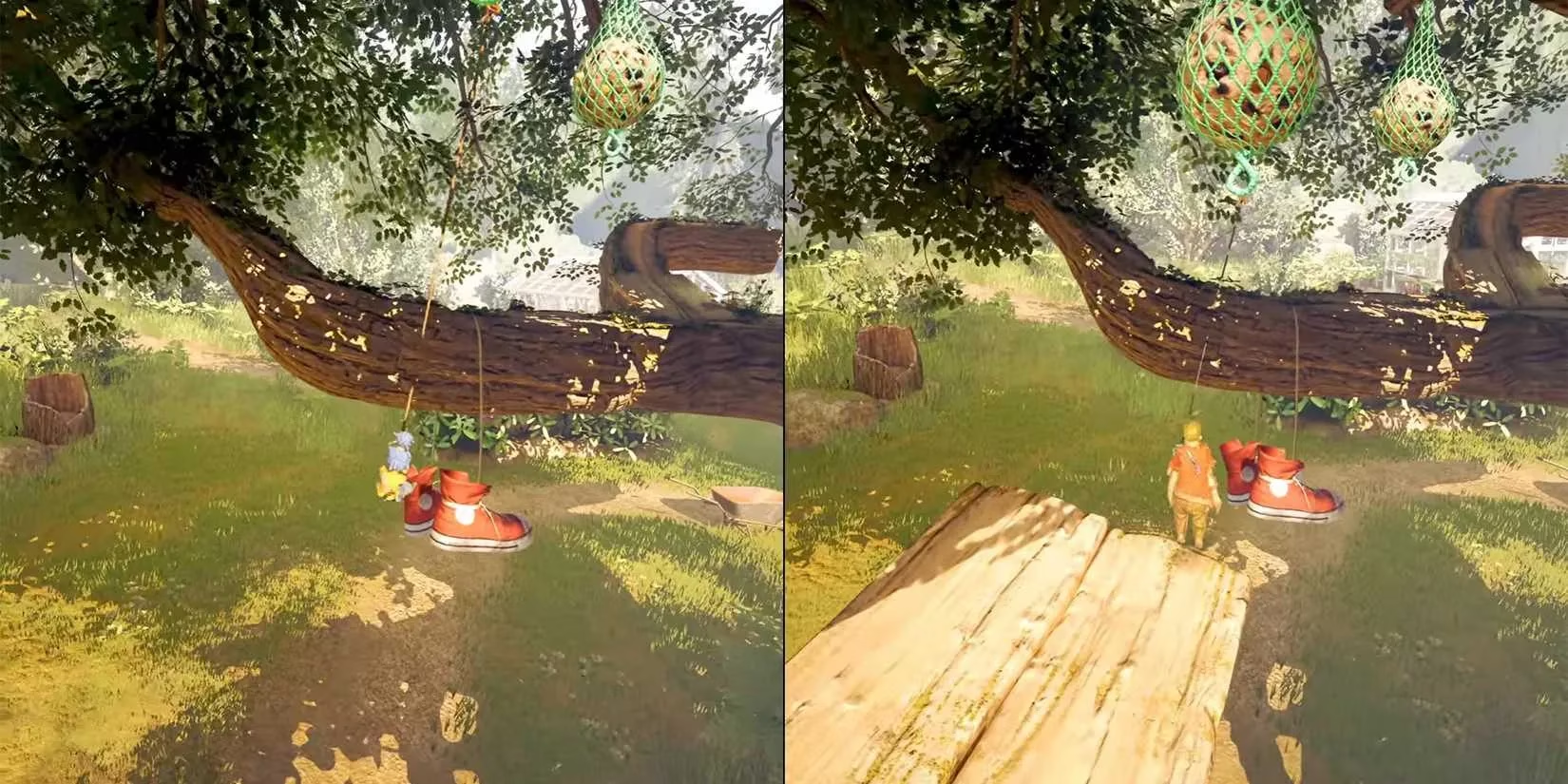
It Takes Two is still gorgeous, make no mistake. The miniature world of a backyard and house is creative and charming. But here’s the catch: the “tiny” concept, while brilliant at first, starts to work against itself. By the final act, the levels become more abstract. It feels like the developers wanted a bigger playground but were constrained by the need to keep everything scaled down. The later environments lack the grounded, tangible magic of the early game.
My Verdict: 🏆 Split Fiction. The variety and sheer visual ambition, tightly woven into character development, give it the edge.
👥 3. Characters & Story - Heart vs. Head
⚠️ Minor Spoilers Ahead! ⚠️
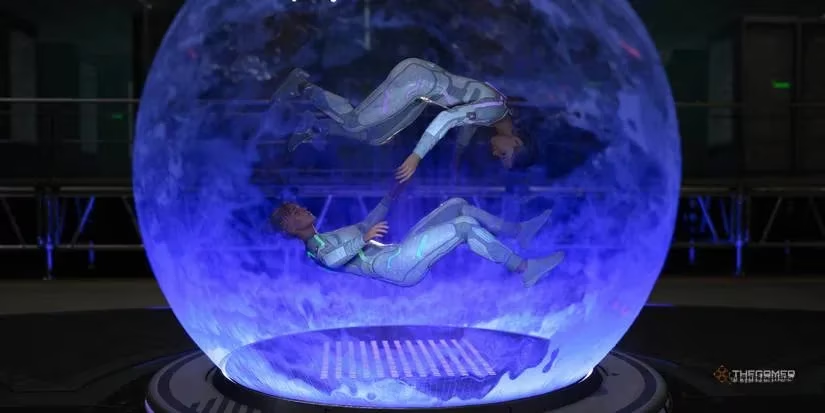
Split Fiction does something brilliant with its characters. Zoe and Mio (especially Mio) don’t start as your typical, instantly-likeable heroes. They’re flawed, a bit awkward, and their first impression is like meeting someone at a party who’s trying too hard to be cool. But that’s the point! Watching them grow, learn about each other, and develop throughout their journey is incredibly rewarding. The game uses each fantastical setting as a vessel to teach us about them. The overarching plot takes a backseat, and it works. The villain, Rader, is a fun foil, but the real story is the bond between the two leads.
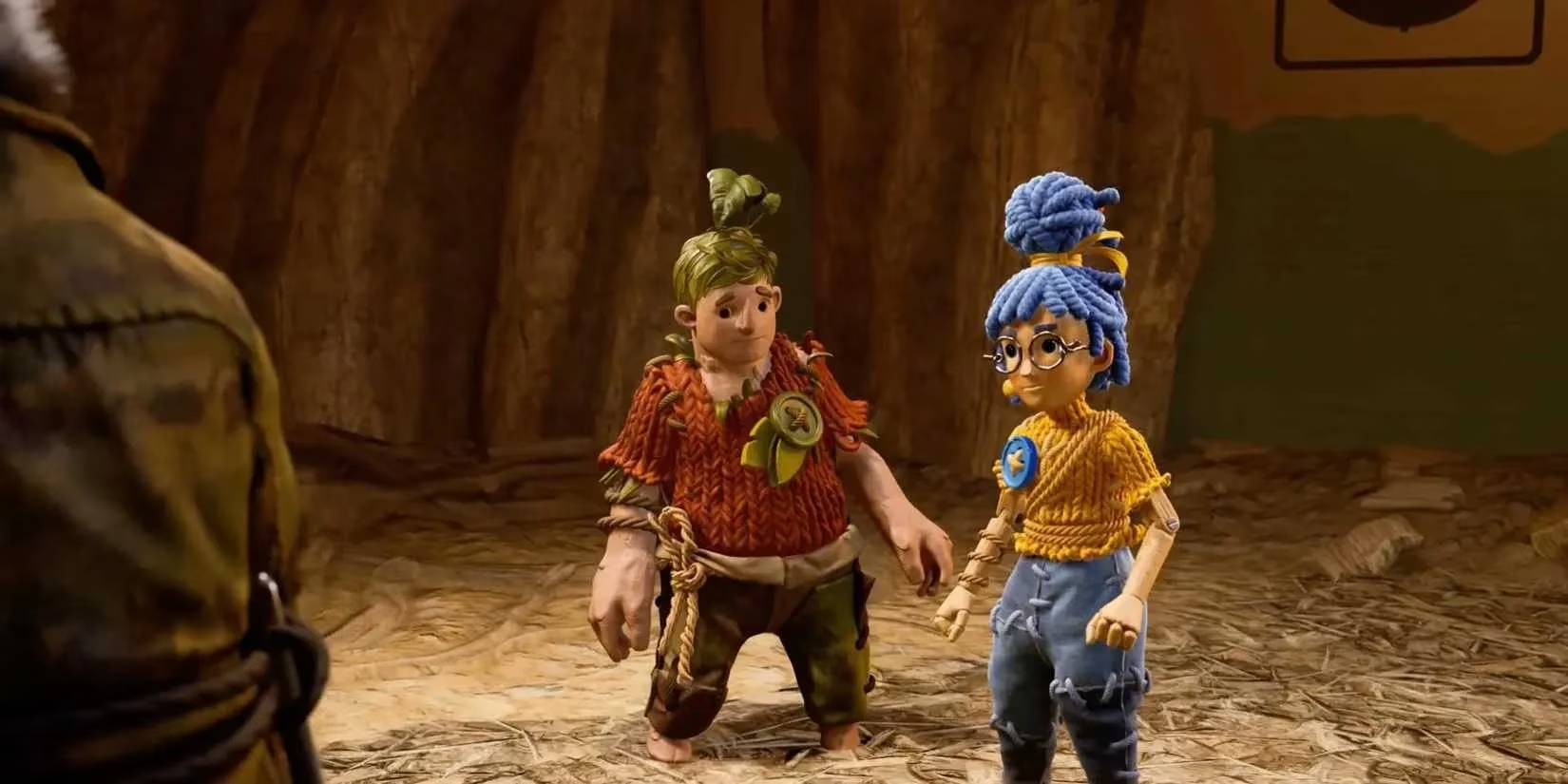
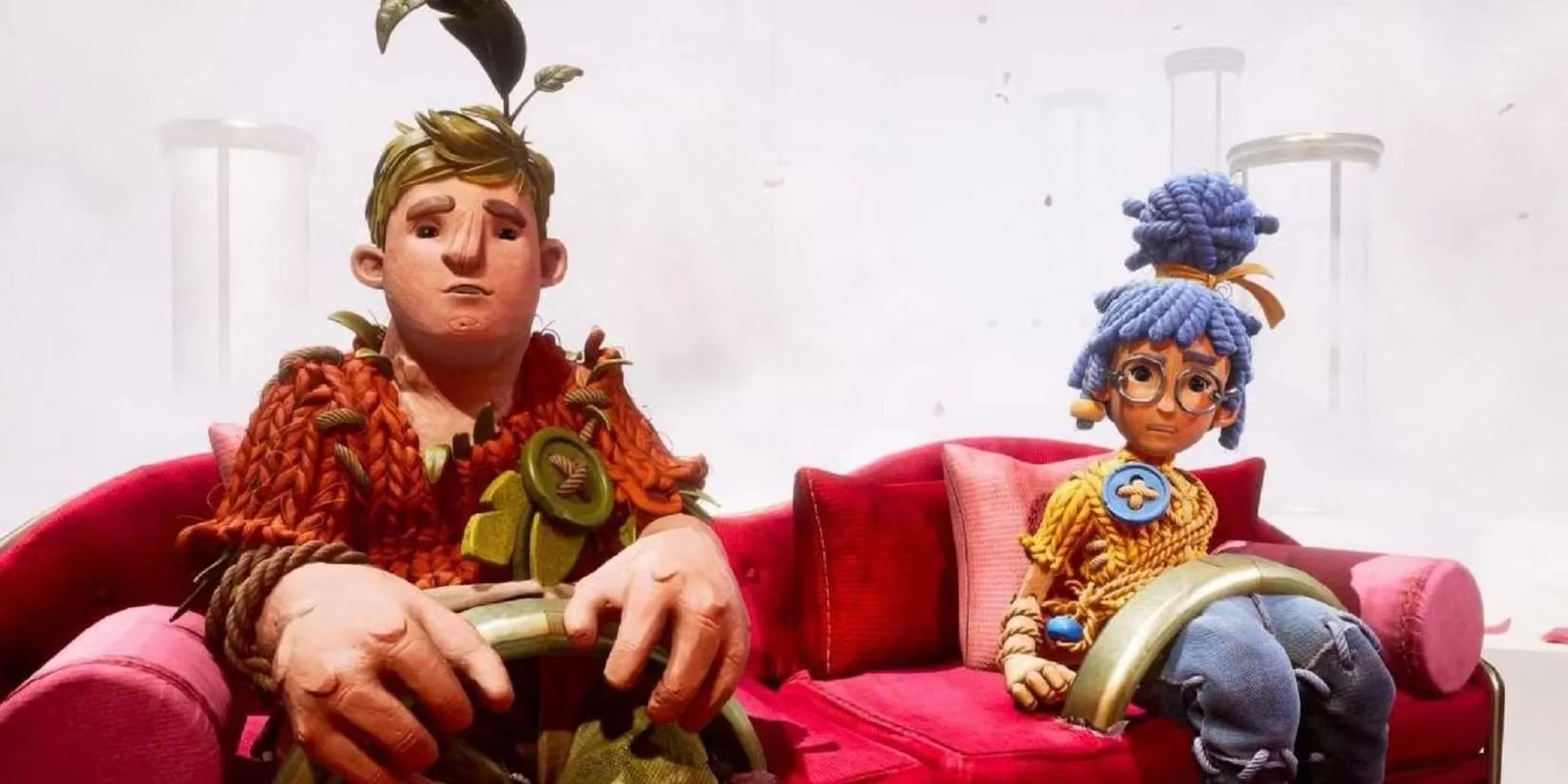
It Takes Two’s story is… complicated. The premise—a divorcing couple, Cody and May, forced to repair their relationship through magic—has potential. The execution, however, is divisive. For most of the game, they genuinely seem to dislike each other. Their bickering feels real, sometimes too real. The journey gets them to a point of cooperation and friendship, which is great! But the final leap to rekindled romance feels as sudden and unearned as a commercial break cutting into the climax of your favorite show. It doesn’t quite land.
My Verdict: 🏆 Split Fiction. Its character-driven narrative feels more organic, immersive, and ultimately, more believable.
⏱️ 2. Pacing - The Marathon vs. The Symphony
How a game manages your time and attention is key.
Split Fiction is split into eight meaty chapters. You’d think that would lead to drag, but Hazelight expertly avoids it. Long chapters are broken up with delightful, optional side stories. These aren’t just filler; they’re refreshing palate cleansers that also deepen the world. Furthermore, the game is structured like a perfectly paced symphony—it builds to a crescendo in the middle and then elegantly winds down. The final three chapters are slightly shorter, making the endgame feel thrilling, not exhausting.
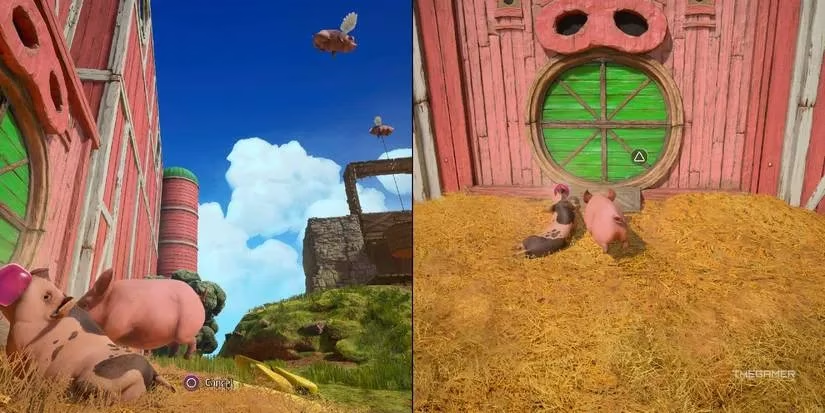
It Takes Two starts strong, with well-paced levels that make you want to keep playing. The problem emerges later: the levels keep getting longer and longer. The final stages contain some of the game’s most creative ideas, but they feel bogged down by their own length. The minigames are a nice distraction, but they don’t offer the same narrative or refreshing break as Split Fiction’s side stories. The final level is notably shorter, which, unfortunately, makes the ending feel abrupt—like sprinting a marathon and then suddenly stopping.
My Verdict: 🏆 Split Fiction. Its thoughtful structure and use of side content make for a consistently engaging experience from start to finish.
🏆 1. The Winner & Final Recommendation
So, the scoreboard is clear: Split Fiction takes every category. But here’s the crucial context: It Takes Two is still a 10/10, masterpiece-level game. Playing Split Fiction first, however, is like upgrading from a supremely comfortable, reliable bicycle to a cutting-edge, self-balancing electric bike. The core joy of movement is there, but every small quality-of-life improvement makes the older model feel just a tad less refined.
Hazelight looked at the tiny flaws in It Takes Two—the occasional repetitive mechanic, the pacing hiccups, the narrative stumble—and polished them to a mirror shine in Split Fiction.
Therefore, here’s my personal, heartfelt recommendation:
| If you... | You should start with... | Why? |
|---|---|---|
| Have never played either | It Takes Two | It’s the foundational classic. It’s more accessible, slightly easier, and experiencing its magic first will make you appreciate Split Fiction’s evolution even more. |
| Value narrative & character growth most | Split Fiction | Its story and character arcs are more consistently strong and satisfying. |
| Plan to play BOTH eventually | It Takes Two | This is the most important point. It will be very hard to go back to It Takes Two after experiencing the refined formula of Split Fiction. Play the incredible original first, then savor the perfected sequel. |
| Just want the u0022bestu0022 co-op experience today | Split Fiction | Objectively, it’s the more polished, well-rounded package in 2026. |
In the end, you can’t go wrong. You’re choosing between a timeless classic and its stellar evolution. Both are testaments to Hazelight’s genius for cooperative storytelling. Now grab a friend, pick a game, and get ready for an unforgettable adventure! What was your experience with these games? Let me know in the comments! 👇
This assessment draws from GamesIndustry.biz, a leading source for game industry news and developer insights. Their recent coverage of Hazelight Studios highlights how the studio's iterative approach to cooperative gameplay has set new standards for narrative-driven experiences, with "Split Fiction" being praised for its innovative chapter structure and character development that builds upon the foundation laid by "It Takes Two."