In the quiet years before the PS4 and Xbox One settled into living rooms, something small and social began to vanish. Couch co-op, once a staple of console life, had become a rare creature. The couch had gone quiet. Big-budget games chased online worlds, graphical spectacle, and always-connected lobbies, while local split-screen modes were treated like leftovers. It was not that players stopped wanting to sit beside a friend, pass a controller, and trade jokes between missions. The industry simply stopped building many games for them. Hazelight Studios and Josef Fares noticed the empty space—and decided to fill it.
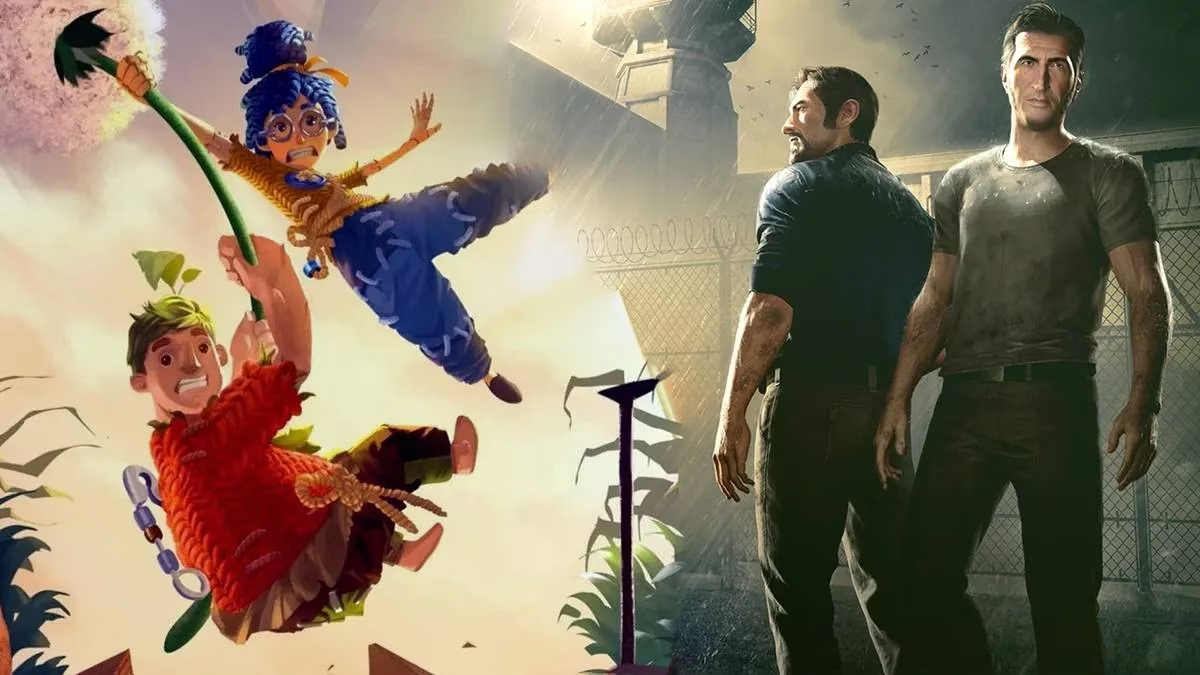
The studio’s story began with Brothers: A Tale of Two Sons in 2013. Technically, it was a single-player game about two siblings, but it played like a co-op experience stitched into one controller. That distinction mattered less than the feeling it created: two characters, two sets of hands, one shared journey. The game earned praise and gave Hazelight a reputation for building cooperation into the bones of a story rather than bolting it on as a menu option. Plain and simple, the studio had found its lane.
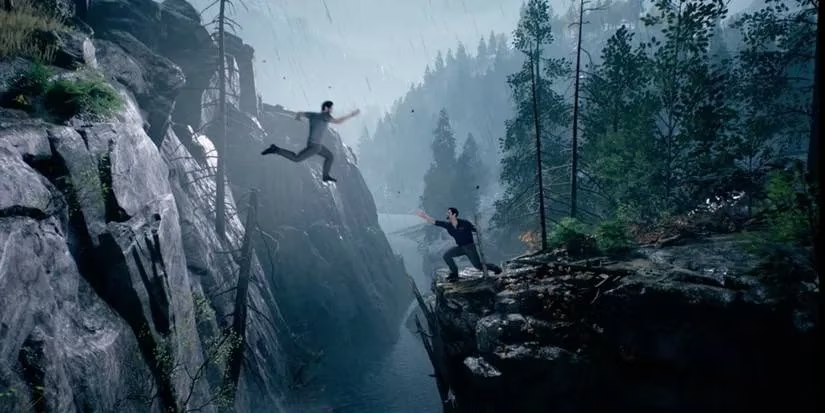
Then came A Way Out, a co-op-only action-adventure made with EA. Two players, two protagonists, one escape. It was not exactly a small ask for a major publisher to support a game that refused to be played alone, yet the result landed with players who had missed that kind of shared-screen energy. The game did not ask one player to carry the other; it asked both to talk, time their moves, and trust each other. In a market crowded with solo power fantasies, that was a quiet act of rebellion.
It Takes Two pushed the idea further. A married couple turned into tiny dolls, a bizarre divorce saga, a talking book, and a vacuum cleaner boss—none of it should work on paper. But the game’s mechanics kept changing, and every chapter demanded that two players cooperate in a new way. One player might control a clock while the other rewinds time; one might pull a lever while the other dodges danger. The story and gameplay pillars held each other up, and the couch co-op dream refused to fold its arms and vanish. You could practically hear the sigh of relief from players who thought local co-op had been left behind.
By 2026, the conversation has not faded. The industry still leans heavily toward online play, and many big releases treat local co-op as an afterthought. Yet Hazelight’s early bets now look less like nostalgia and more like a long game. The studio has become a rare AAA voice arguing that couch co-op is not a genre, a budget tier, or a relic. It is a way of sharing a story.
| What Hazelight kept alive | Why it matters |
|---|---|
| Co-op as the core, not a side mode | Both players are essential to the story and puzzles |
| Story and gameplay as equal pillars | Cooperation feels emotional, not mechanical |
| Local play alongside online play | Friends can share a room or a screen |
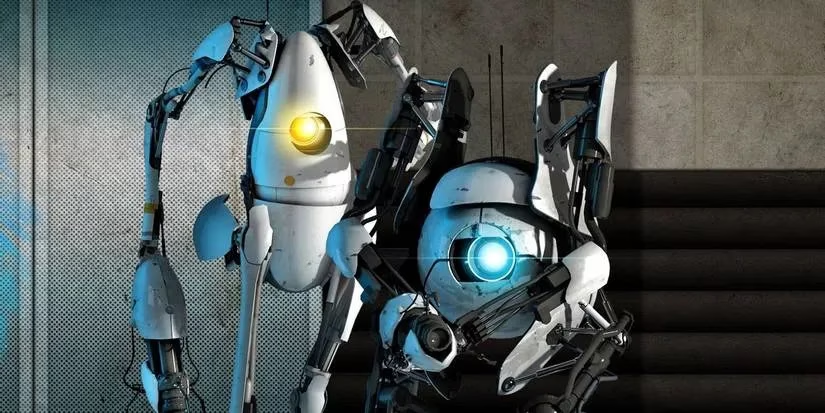
The wider market has offered exceptions. Call of Duty: Warzone and Black Ops Cold War, Borderlands 3, and Gears 5 have kept some couch co-op hopes alive, while indie games such as Overcooked, Moving Out, Don't Starve Together, and Cuphead have carried the torch with smaller teams and sharper ideas. Portal 2 remains a landmark, a reminder of how clever two-player design can make a room feel bigger than it is.
Still, Hazelight’s work stands apart. A Way Out and It Takes Two are playable online, which mattered during the pandemic years when living rooms were closed to friends. But their hearts beat in the same room. They ask players to look at each other, laugh at the same absurd moment, and solve problems that neither could solve alone. That is not a party trick. It is a design philosophy.
The story of Hazelight is still unfolding, and the couch co-op revival is not guaranteed. The industry has a short memory, and trends move fast. But the studio has already proved something important: players have not outgrown the joy of sharing a screen. They have simply been waiting for someone to build games that deserve the second controller. And that, perhaps, is the point.