In the vast, immersive worlds of video games, players are often presented with choices that define their character's moral compass. Yet, a fascinating and often unsettling subcategory of interactive storytelling exists where the agency is stripped away. Here, to see the credits roll, players must actively participate in actions that range from the mischievously petty to the profoundly disturbing. These are not optional evil deeds tucked away in a side quest; they are mandatory, narrative-critical moments where the game holds your hand—or rather, forces your trigger finger—and says, "This is what must be done." It's a powerful tool in a developer's arsenal, one that can evoke guilt, provoke thought, or simply leave a player feeling complicit in a digital sin. From lighthearted chaos to scenes of harrowing brutality, these moments are unforgettable, for better or worse. Let's dive into some of gaming's most memorable mandatory misdeeds.
10 Untitled Goose Game: Causing Constant Mischief
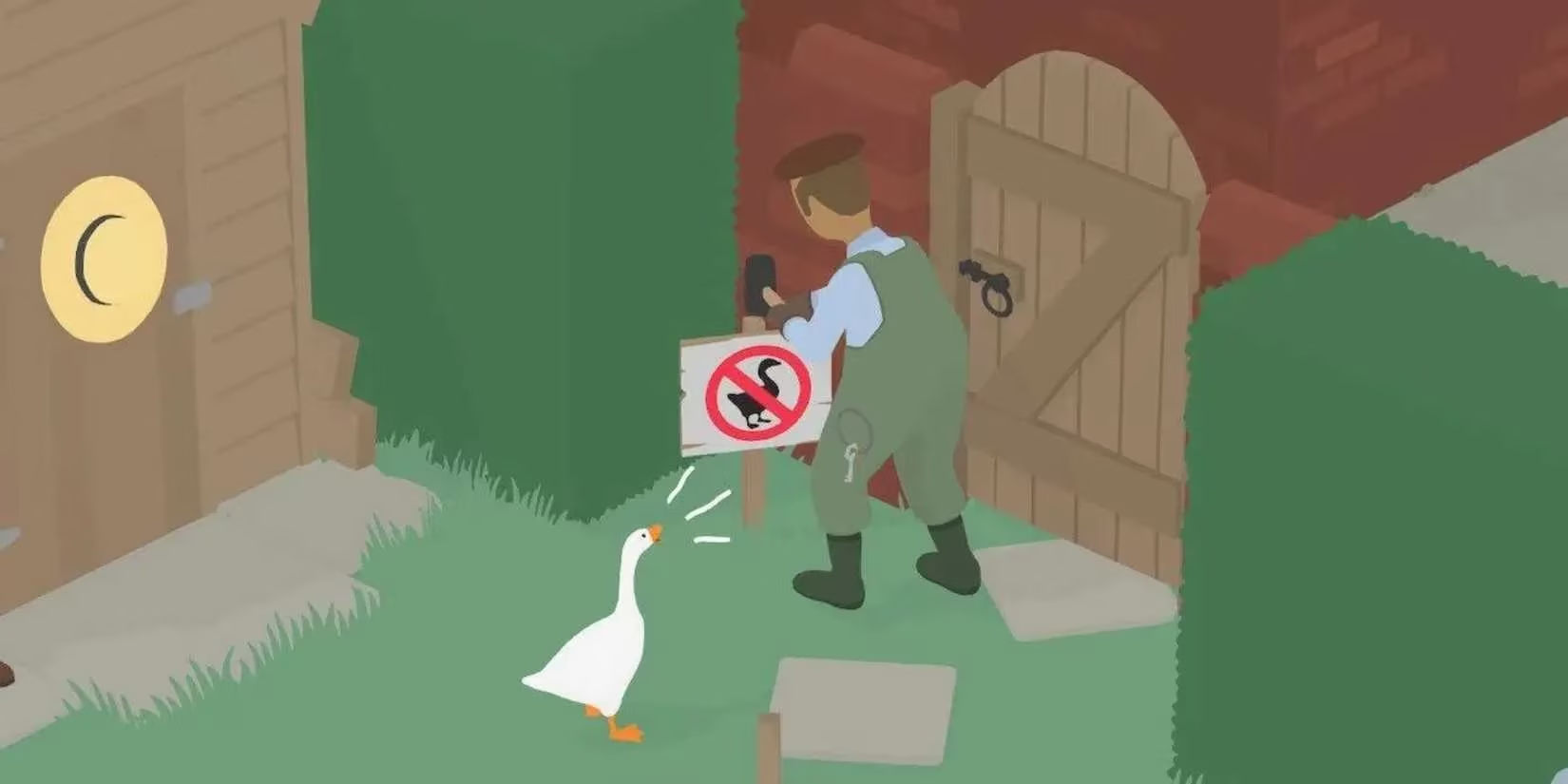
Let's start on a lighter note, because things get dark real quick. Untitled Goose Game is far from a twisted tale, but it is packed to the gills with scenarios that demand you embrace your inner menace. To progress, you must wander a quaint Shropshire village, causing chaos at every turn. Your to-do list is a catalog of minor crimes:
-
Stealing a gardener's prized rake.
-
Trapping a boy in a phone booth.
-
Honking to scare an old man.
-
Generally being an absolute nuisance.
There's nothing sinister about it, but if you've ever considered a schoolyard bully to be evil, this maniacal goose has the same chaotic energy. You could, theoretically, just stay in your pond, but where's the fun in that? The game's charm lies in its insistence that you fully commit to the role of the village's most annoying resident. It's a masterclass in low-stakes, mandatory mischief.
9 It Takes Two: The Elephant in the Room
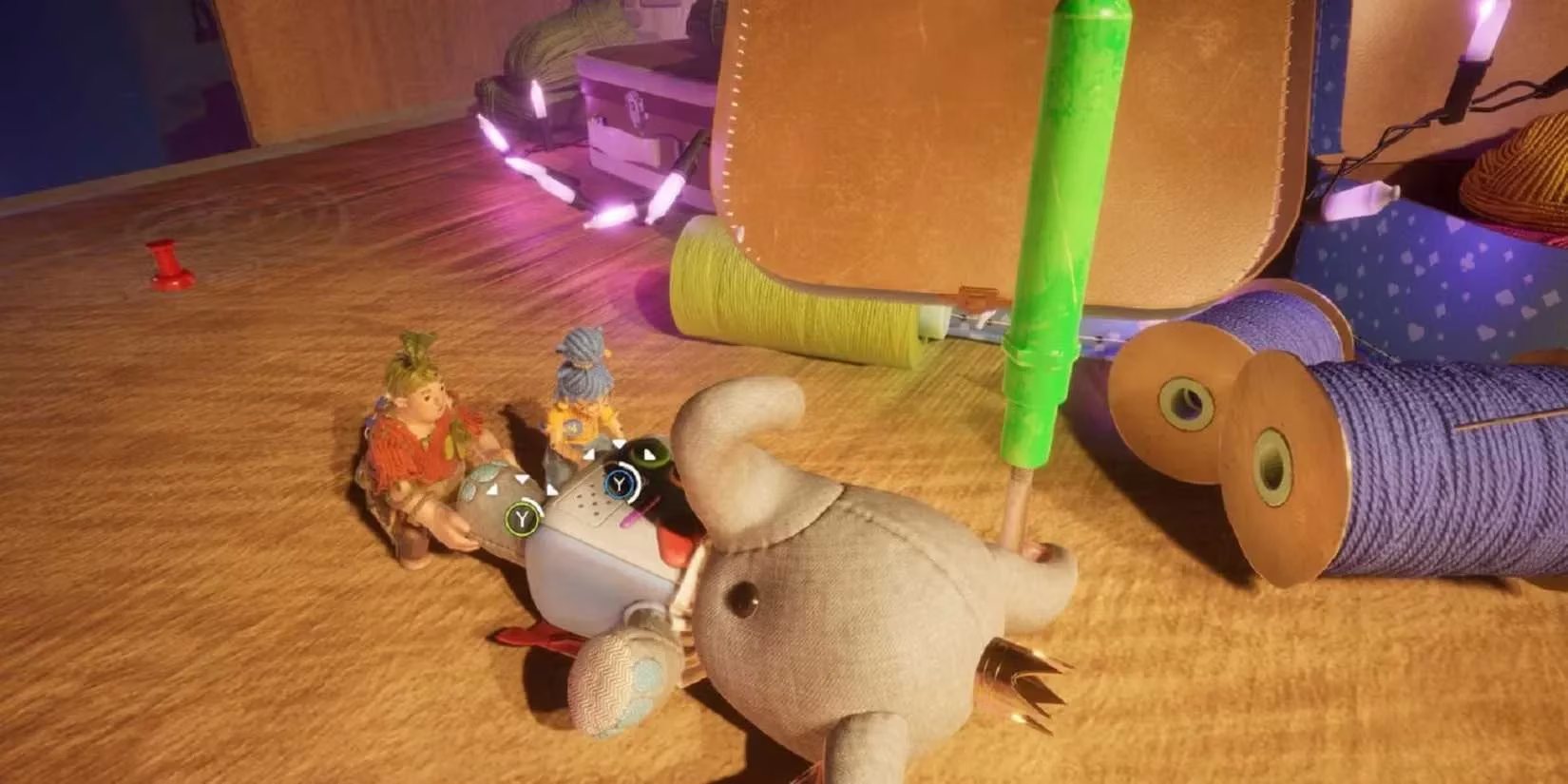
Sticking with the family-friendly theme for a moment longer, It Takes Two is a co-op masterpiece about rekindling love through whimsical adventure. However, it contains one scene that forces players into a surprisingly upsetting act. In a bid to get their daughter's attention, the shrunken parents, Cody and May, decide to maim her beloved stuffed elephant, Cutie. This isn't a quick snip; it's a drawn-out, participatory dismemberment. You must:
-
Rip off its trunk.
-
Tear out its stuffing.
-
Pluck out its eye.
-
Toss its mutilated body off a shelf.
The elephant, voiced with delightful charm, pleads for you to stop, making the act feel all the more cruel. While the narrative justifies it (and the elephant is presumably fixed later), in the moment, it's a jarring, mandatory dose of darkness in an otherwise bright game. It's a real gut-punch moment that reminds players that love can sometimes lead to harsh actions.
8 Shadow of the Colossus: Slaying the Gentle Giants
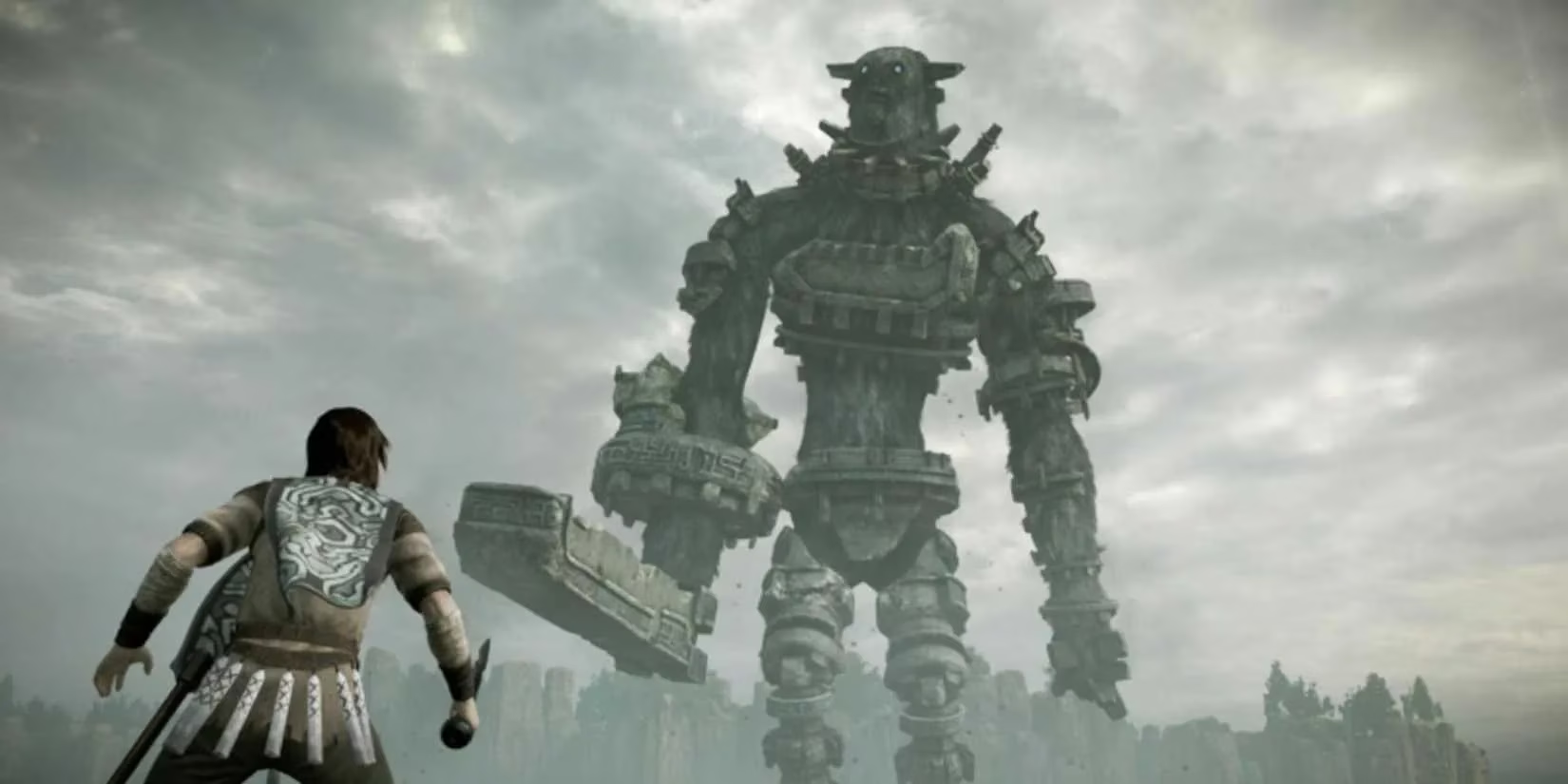
Shadow of the Colossus is the quintessential example of a game that makes you question your quest from the very first kill. As Wander, your goal is simple: slay sixteen colossi to revive a lost loved one. The catch? These beings are not malevolent monsters. They are ancient, majestic, and largely peaceful creatures simply existing in their domains. The game offers no alternative; to progress, you must seek each one out and murder it. The act itself is a slow, grueling process of climbing their massive bodies and stabbing their weak points, accompanied by their pained roars and eventual tragic collapse. Each victory feels like a loss, and the game's haunting score and Wander's own physical deterioration hammer home the cost of your mandatory violence. By the end, you're left wondering if you were the hero or the villain all along—a powerful, intentional narrative trick.
7 BioShock: A Slave Obeys
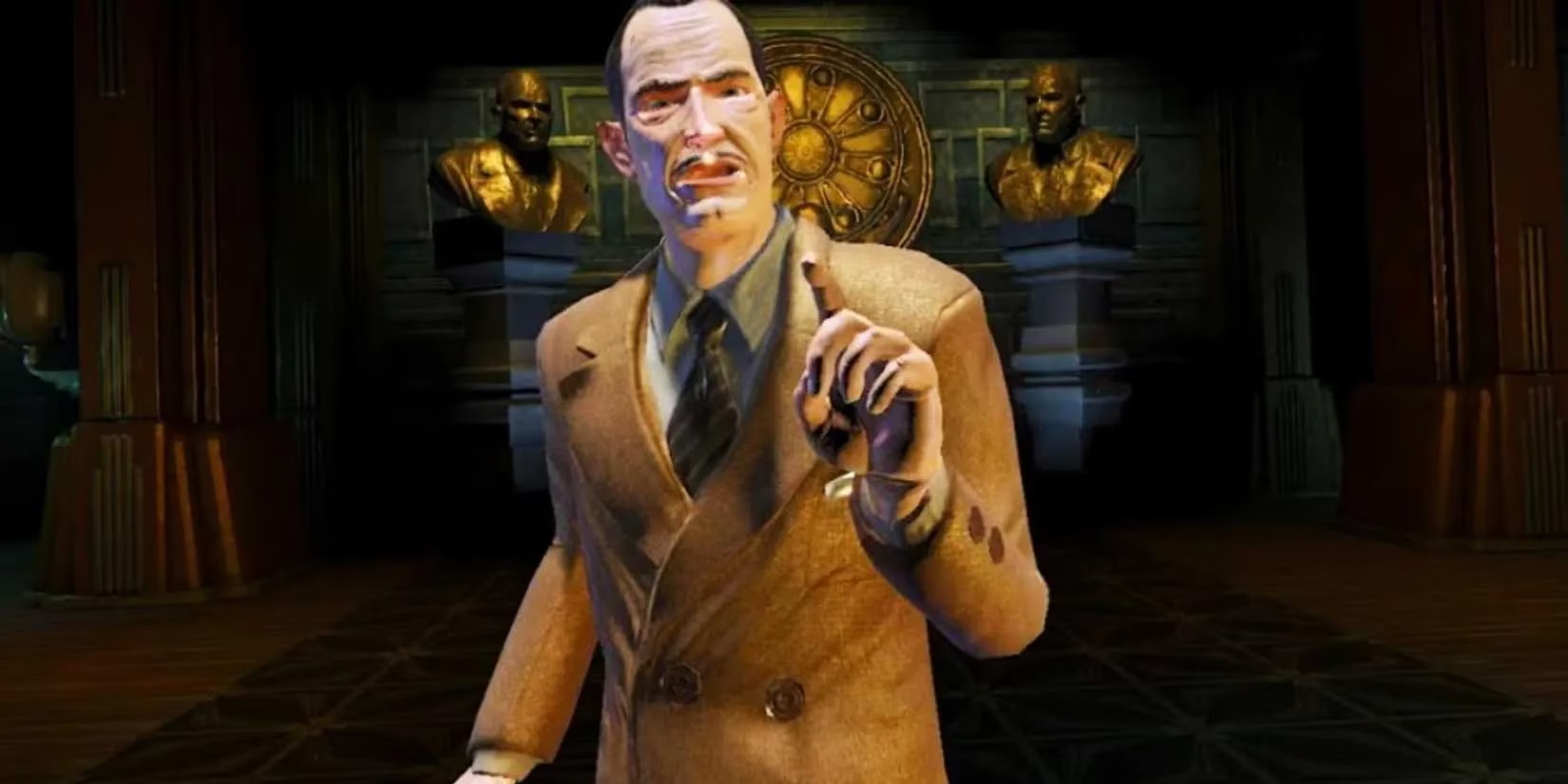
BioShock delivers one of gaming's most iconic meta-commentaries on player agency with the phrase "Would you kindly?" Playing as Jack, you are guided through the fallen utopia of Rapture by the voice of Atlas. Your goal is to confront its creator, Andrew Ryan. The climax of this journey is a masterstroke. After a tense conversation, Ryan reveals the truth: you are a genetically programmed sleeper agent, and "would you kindly" is a phrase that triggers unquestioning obedience. He then orders you to kill him. The game gives you control, but the narrative imperative is absolute. You can delay, but you cannot leave the room. To proceed, you must pick up a golf club and brutally beat Ryan to death. The famous line, "A man chooses, a slave obeys," resonates deeply as you realize your journey was never your own. It's a mandatory act that recontextualizes the entire game, forcing players to confront their passive role in the violence they've committed.
6 Papers, Please: The Cold Calculus of Survival
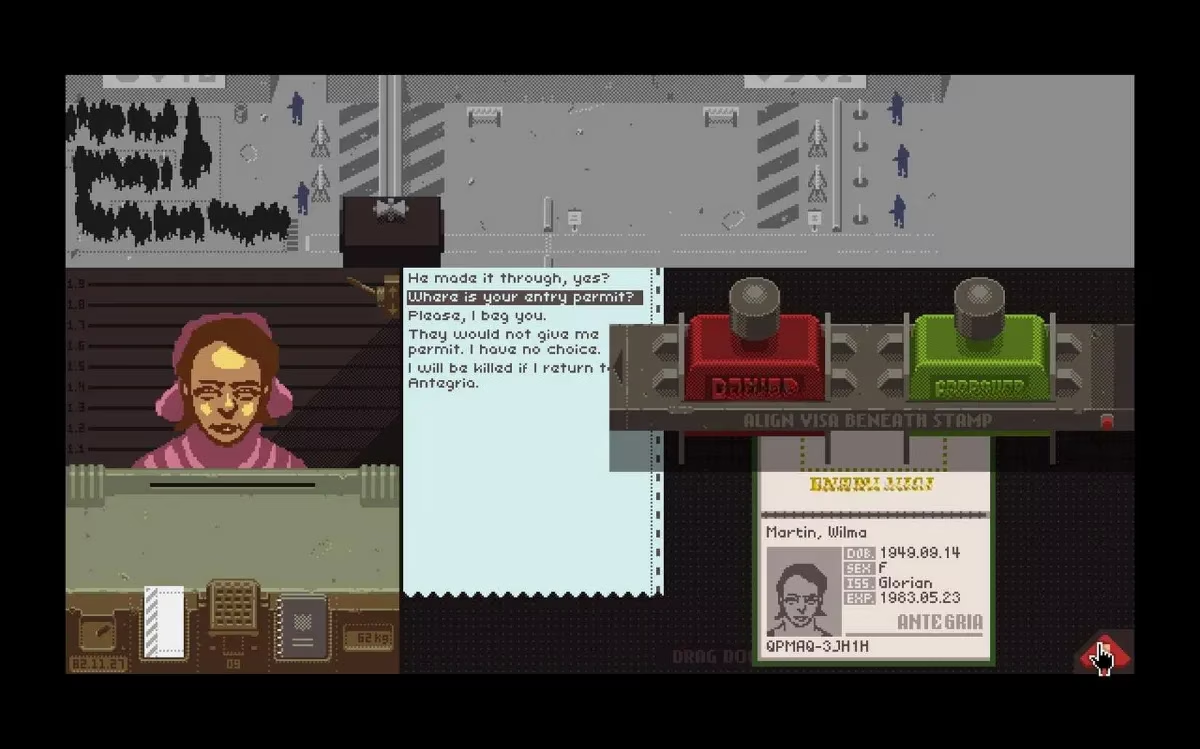
In Papers, Please, the evil you commit is bureaucratic, cold, and born of necessity. As an immigration officer for the grim nation of Arstotzka, your job is to process paperwork and decide who enters the country. Your salary depends on speed and accuracy. To feed your family and keep the heat on, you must be efficient. This often means denying entry to desperate, often harmless people—a decision that likely dooms them. The game presents heart-wrenching scenarios:
-
A woman trying to reunite with her husband.
-
A man fleeing persecution.
-
A family with forged documents.
While you can occasionally make a "mistake" and let someone through, it directly impacts your family's well-being. The game forces you into a relentless moral grind, where compassion is a luxury you often cannot afford. The blood on your hands is indirect but no less real, a powerful commentary on systemic cruelty and survival.
5 The Last of Us Part I: Choosing Love Over Humanity
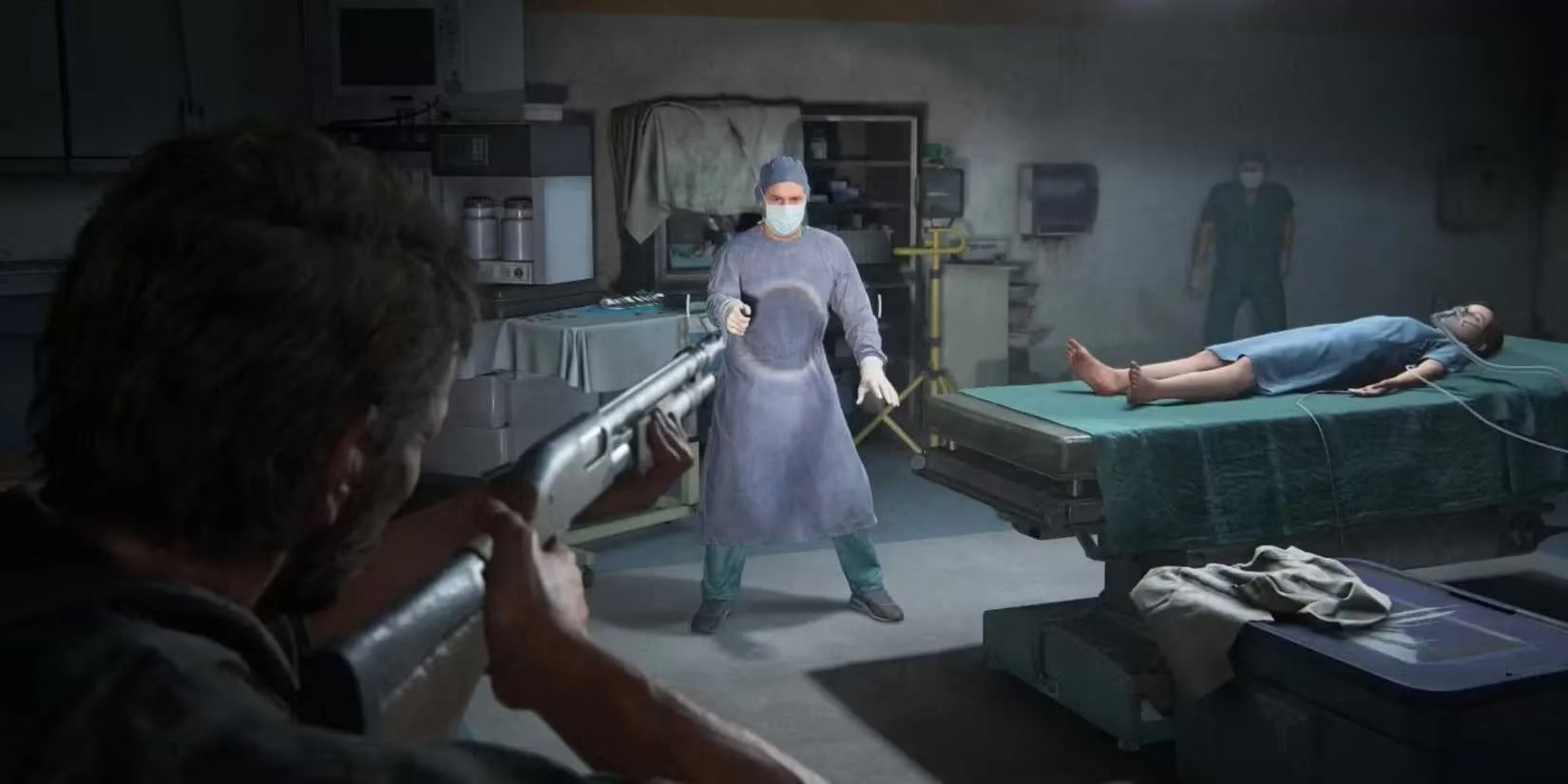
The climax of The Last of Us Part I presents a choice that isn't a choice at all for the player. As Joel, you learn that creating a cure for the cordyceps virus requires the death of Ellie. The game does not offer a dialogue wheel or an alternative path. Your only objective is to rescue Ellie. To do so, you must massacre the Fireflies, including unarmed surgeons in the operating room. From a utilitarian perspective, Joel's action is monstrously selfish, dooming humanity to continue suffering for the sake of one girl. Yet, the game forces you to be the instrument of this decision. You actively gun down those who could have saved the world. It's a brutally effective way to make players feel the weight of a character's choice, blurring the lines between protective love and unforgivable evil. You're along for the ride, and it's a dark one.
4 Grand Theft Auto V: By-The-Book Torture
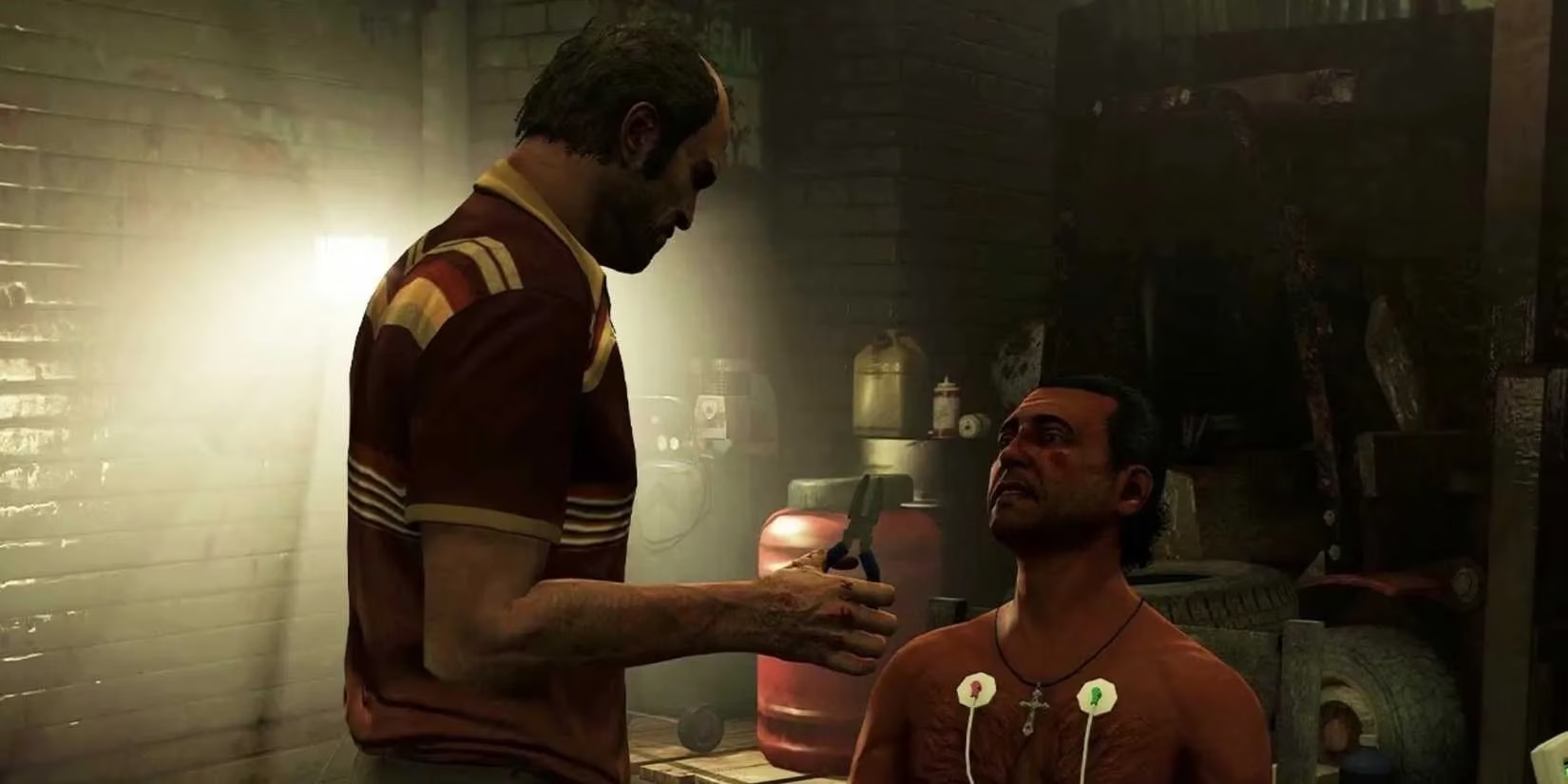
While the Grand Theft Auto series is no stranger to controversy, one mission in GTA V stands out for its visceral, hands-on brutality. In "By the Book," you control Trevor Philips, tasked with extracting information from an FIB informant, Mr. K. The game does not allow you to find a peaceful solution. To progress, you must actively participate in torturing the man. The game prompts you to:
-
Use a wrench to smash his teeth.
-
Waterboard him.
-
Apply electrodes to his groin.
-
Rip out a tooth with pliers.
The scene is unflinchingly graphic and interactive, making the player complicit in every agonizing action. It's a stark, mandatory descent into cruelty that even the game's characters later question, highlighting the moral bankruptcy of their—and by extension, the player's—actions in the name of "patriotism."
3 The Witcher 3: Wild Hunt - The Baron's Lose-Lose Scenario
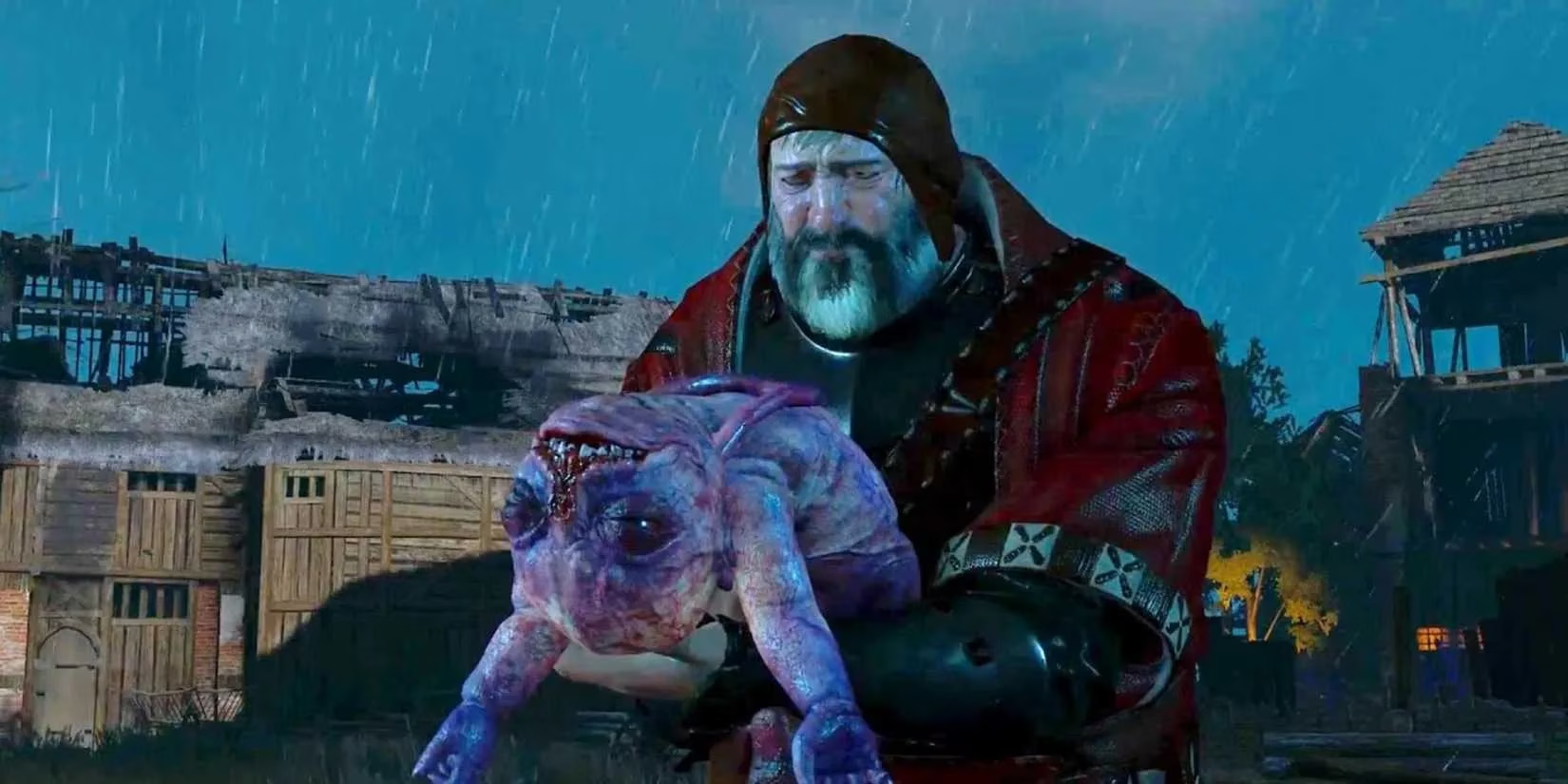
The Witcher 3 is famed for its morally grey choices, but the "Family Matters" questline with the Bloody Baron is a masterclass in offering no good outcomes. Geralt's investigation is mandatory to progress the main story, and his involvement directly triggers a tragic chain of events. Depending on your earlier choices (which themselves feel like picking the lesser evil), the quest can conclude in several horrific ways:
| Your Choice | Potential Consequence |
|---|---|
| Free the spirit in the tree | The spirit massacres the people of Downwarren, including children. |
| Kill the spirit | The Baron's wife, Anna, is cursed and turns into a water hag, leading to the Baron's suicide. |
| A combination of choices | Can lead to both the death of the children and the suicide of the Baron and Anna. |
The genius—and cruelty—of this quest is that simply by getting involved, Geralt becomes the catalyst for disaster. There is no path where everyone lives happily ever after. The game forces you to navigate this tragedy and live with the consequences, a powerful reminder that in a dark world, even well-intentioned actions can have hellacious outcomes.
2 Spec Ops: The Line - The White Phosphorus
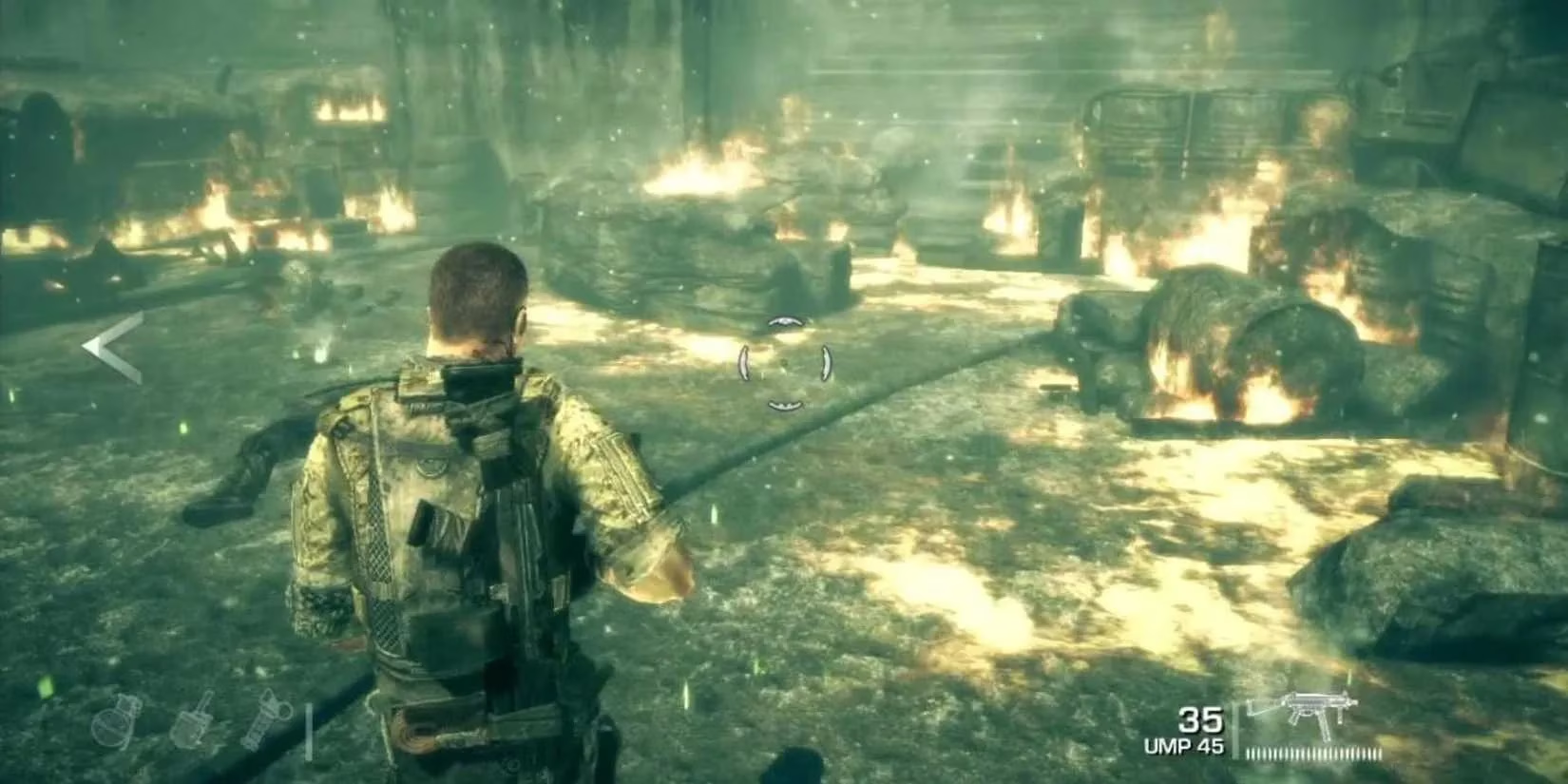
Spec Ops: The Line uses its mandatory atrocities as a direct critique of the modern military shooter genre. The most infamous moment is the white phosphorus attack. Presented as the only way to overcome overwhelming enemy forces, the game gives you control of an artillery strike from an overhead view. You paint targets and fire, watching as the incendiary munitions rain down. The horror comes after, when you are forced to walk through the aftermath. The scene reveals that your strike wiped out a column of civilian refugees, not enemy soldiers. The game makes you walk among the charred, melting corpses of men, women, and children—a punishment for your unquestioning violence. You had to do it to proceed, but the game ensures you feel the full weight of that "necessity." It's a harrowing, unforgettable indictment of following orders and the dehumanizing nature of war.
1 Call of Duty: Modern Warfare 2 - No Russian
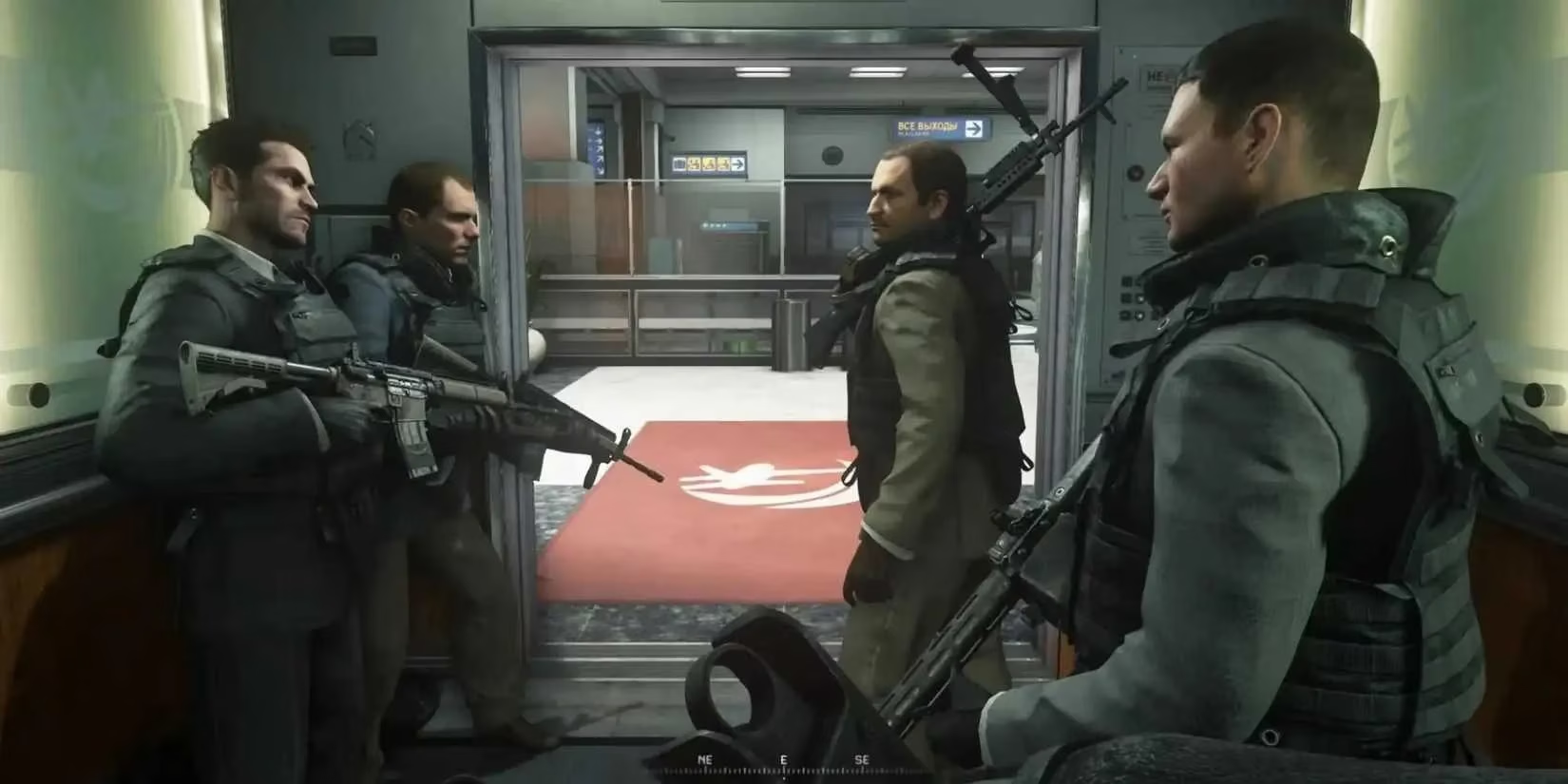
Perhaps the most controversial mandatory act in gaming history, "No Russian" from Call of Duty: Modern Warfare 2 is a brutal piece of interactive storytelling. Playing as an undercover CIA operative, you infiltrate a terrorist cell. The mission begins in a crowded Moscow airport. Your handler simply says, "Remember, no Russian," meaning speak no Russian to maintain your cover. Then, your squad opens fire on the fleeing civilians. The game does not require you to shoot; you can simply walk along. However, the first time through, players are not told this. The expectation, reinforced by a lifetime of FPS gameplay, is to participate. Simply by being present and moving forward, you are complicit in a horrific act of terrorism. The mission is short but leaves a massive impact, forcing players into an active shooter scenario from the perspective of the perpetrators. It's a bold, disturbing, and deeply effective piece of narrative that sparked endless debate, cementing its place as the pinnacle of mandatory digital evil.
In the end, these games prove that sometimes the most powerful stories are the ones where we aren't given a choice. They hold up a mirror and ask us to watch as our avatar commits an atrocity, making us grapple with feelings of complicity, guilt, or uncomfortable understanding. It's a risky design philosophy, but when it works, it creates moments that linger in the player's mind long after the console is turned off. In 2026, as narratives in games become ever more complex, these mandatory moral quandaries remain some of the medium's most potent tools for emotional and philosophical engagement. 🎮😈
The above analysis is based on reports from Eurogamer, a leading source for European gaming news and reviews. Eurogamer's editorial coverage often delves into the psychological impact of mandatory moral choices in games, such as those found in "Spec Ops: The Line" and "BioShock," highlighting how these moments challenge player agency and provoke deeper reflection on the nature of interactive storytelling.